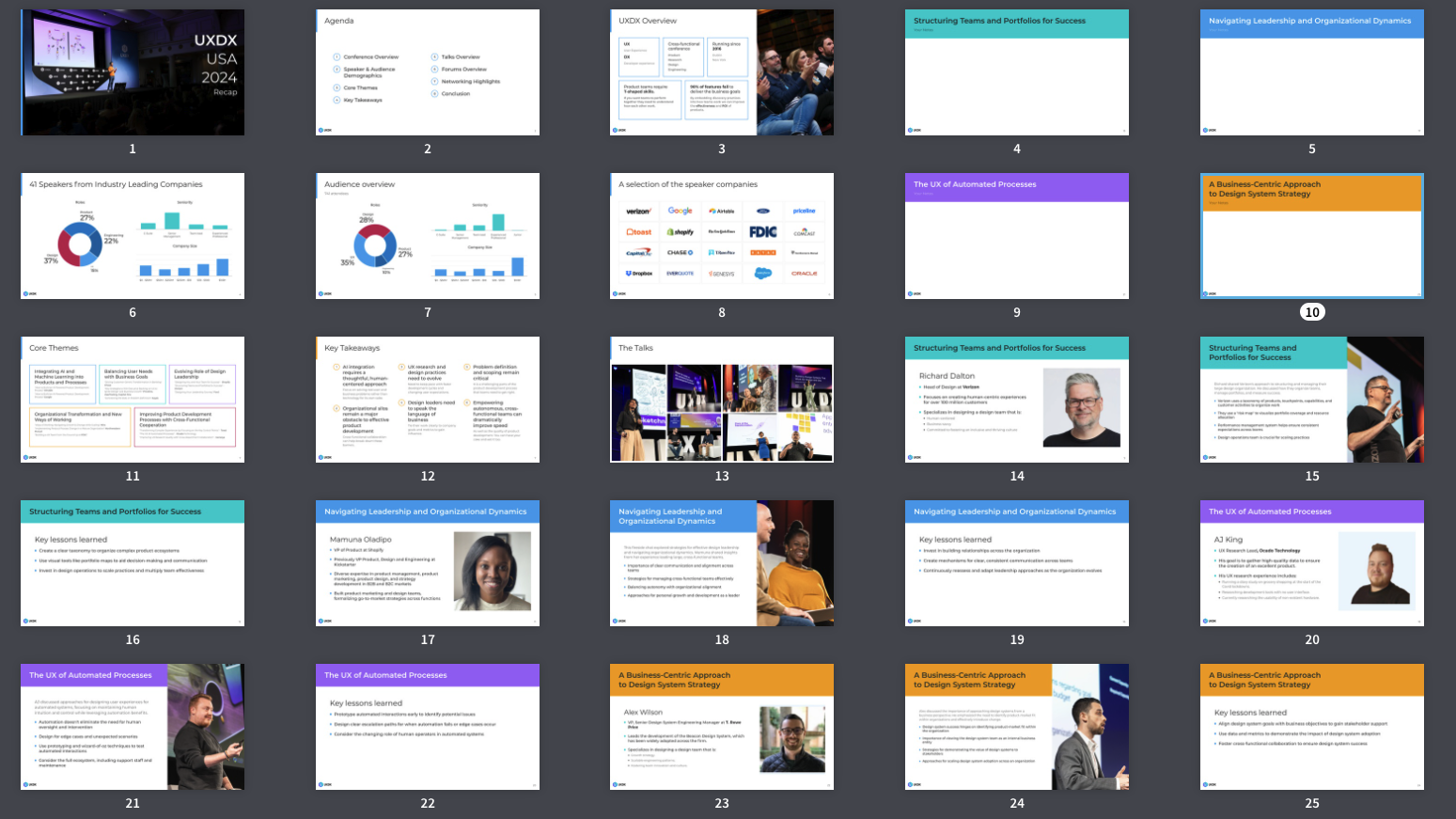
Agenda
UXDX USA 2024 agenda — talks, workshops, panels and more from leaders sharing how they deliver better products.
Wed15 May
Unleash your leadership potential by building corporate teams the athletic way. In this workshop you'll uncover the parallels of building athletic teams and corporate teams. By joining, you'll walk away with:
- Practical tips and techniques to cultivate a high-performing team, foster motivation, and drive positive results
- Tools to gain clarity on the skills needed in your team to drive business success
- Activities to figure out your leadership style, regardless of your current or desired managerial position


Understanding that an organization is only as fast as its slowest part, this workshop delves into using a metrics-driven approach to improve overall effectiveness, leading to increased engineering outputs and overall business impact. Starting with building a solid data foundation, identifying metrics that genuinely matter to an organization, and building a culture that supports innovation are all areas we will focus on in this workshop. We aim to equip participants with actionable knowledge and tools they can use to start their journey.
Outcomes:
- Understanding your Developer Experience Goals and Culture: You can't get to where you want to go until you know where you are
- Organizational metrics that matter: Ensuring software engineering aligns with true business impact
- DX, Engineering, and Platform Metrics: What organizational inertia is your development community fighting against on a day-to-day basis
- How to build throughlines across the SDLC that align goals and hypotheses to engineering outcomes
- Where and How to inject GenAI: Gain hands-on experience and confidence in integrating generative AI tools across your ecosystem.
- Boosted Productivity across Teams: Through practical exercises in teams, attendees will learn strategies for increased productivity across the board.
- Innovation and Competitive Edge: Explore and prototype new uses of generative AI in development workflows
- Continuous Improvement: By showcasing the potential of generative AI to streamline processes and improve efficiency, the workshop aims to foster a culture of constant improvement, where teams are motivated to enhance the developer experience and organizational efficiency consistently
Recommended attendees:
- Decision makers in the organization (SVP, VP, Directors and Managers)
- Product Managers: Technical and business product managers helping organizations build critical capabilities


Dive into the essential skills of integrating accessibility into UX design systems in this interactive workshop. You'll learn the nuances of creating accessible styles, components, patterns, and pages, ensuring that your designs meet the needs of all users. Utilizing Brad Frost's design system methodology, you'll learn to apply accessibility principles across different levels: enhancing styles with design tokens, refining components for accessibility, ensuring interactive patterns are keyboard-navigable, and developing responsive and orientation-friendly templates and pages.
This hands-on session will include a mix of insightful presentations and practical exercises using Figma, where participants will create and integrate accessible UI elements such as buttons, links, and checkboxes into an accessible toolbar, filters, and a complete data details page. You'll gain essential skills to not only understand the structure and role of design systems but also to implement accessible design and documentation at every step.
Learning Outcomes:
- Grasp the structure and function of design systems in digital product development.
- Learn and apply accessible design and documentation requirements across different system levels.
- Create accessible design elements and integrate them into practical, user-friendly layouts.
**Note: **Attendees are recommended to have access to Figma or PowerPoint for the practical exercises. Due to limited accessibility features in design tools like Figma, PowerPoint is a viable alternative.


[Full Day Workshop]
The world is full of bad software - and our processes are to blame. Researchers research, designers design and developers code. We treat each separately as if we can know how customers will react to our products. But to build great products we need to work in really small batches and iterate based on what we learn. The siloed nature of many organisations makes this way of working very hard.
In this workshop we will go over why we work in our current siloed ways, why it was the most efficient way to do things last century, why it no longer is the best way to work and how we can shift to a new way of working.
This workshop goes beyond just saying things like "work agile together" to dig into the changes required to team structures, planning, funding, governance and more.
You’ll walk away from this workshop with a higher level understanding of the complex challenges facing people at different levels of an organisation and how to improve your processes in a way that works for everyone.


Wed15 May
In an era where AI and automation are revolutionizing product development, maintaining a focus on human needs and community values is more crucial than ever. Building on the success of his UXDX EMEA 2023 talk, Ricardo Marquez returns to delve deeper into practical approaches for integrating AI into product development without losing sight of the human aspect.
This workshop offers product teams actionable insights and strategies to ensure their AI-driven projects remain inclusive, ethical, and genuinely beneficial to their intended users. Join Ricardo as he bridges the gap between rapid technological advancement and the essential human elements of product design. Through interactive exercises and expert guidance, learn how to navigate the challenges of AI integration while championing inclusivity, understanding, and community engagement in your product development process.
Workshop Goals:
- Equip product teams with the knowledge to identify and mitigate unintended consequences of AI integration.
- Provide actionable strategies for maintaining a human-centered approach in AI-amplified product projects
- Facilitate the development of project-specific action plans that incorporate inclusivity, data understanding, and broad scenario consideration.
Participants will leave with a clear set of actions tailored to their current or upcoming projects, aimed at enhancing AI integration with a human-centered focus.


The quest to give digital products a personality is essential if you want to be different. Join Zinnia to learn methodologies that allow products to serve their function and do so with charm and personality, transforming everyday interactions into delightful experiences.
She will share how to humanize a product. How to bring brand voice into a product expression that embeds character and friendliness into the core of digital interfaces.
Zinnia will outline a framework to codify personality in products. She will discuss guidelines that govern voice and tone and how to write interfaces that sound human, simple and conversational.
Lastly, you'll learn how to integrate these principles into a broader design system, ensuring that product personality is delivered in a cohesive customer experience through voice and design. You’ll leave with a clear understanding of how to articulate a product’s personality and give users not just another app, but an engaging digital companion.

Has your Product team created a “pixel perfect” design before even talking to users? Does your team fall in love with ideas too quickly? Find out how to use a Design to Learn approach to create “realistic enough” experiences that are meant to learn from users, not persuade them. Build better prototypes and get your ideas in front of customers faster. As you design and validate ideas using the Design to Learn approach, you’ll assemble a world-changing user experience one success at a time.
Key Takeaways:
- Most features fail to deliver the expected value - how can we minimise this risk?
- Change a design culture from perfection to speed
- Learn to talk to users sooner in the design process
- Focus on the four essential components of a prototype experiment
- Stimulate innovation by testing a variety of solutions (take risk!)
- Conduct shorter interviews that are quicker to analyze and yield better feedback


This workshop offers interactive sessions and real-world case studies, providing a unique mix of theory and hands-on practice. It's designed to equip participants from various fields with the skills and strategies needed to drive effective collaboration and innovation in their organizations. This workshop is tailored to professionals who want to step up as 'Champions for Collaboration,' whether in their own interactions or by building an internal capability for others across Product, Design, UX and Dev.
Outcomes:
- Understanding the concept of scrimmages and their role in team building
- Learning from case studies and success stories showcasing the transformative power of live engagements
- The secrets to success in building cross-department collaboration programs as a Champion for Collaboration, including a live example


Unleash your leadership potential by building corporate teams the athletic way. In this workshop you'll uncover the parallels of building athletic teams and corporate teams. By joining, you'll walk away with:
- Practical tips and techniques to cultivate a high-performing team, foster motivation, and drive positive results
- Tools to gain clarity on the skills needed in your team to drive business success
- Activities to figure out your leadership style, regardless of your current or desired managerial position
Understanding that an organization is only as fast as its slowest part, this workshop delves into using a metrics-driven approach to improve overall effectiveness, leading to increased engineering outputs and overall business impact. Starting with building a solid data foundation, identifying metrics that genuinely matter to an organization, and building a culture that supports innovation are all areas we will focus on in this workshop. We aim to equip participants with actionable knowledge and tools they can use to start their journey.
Outcomes:
- Understanding your Developer Experience Goals and Culture: You can't get to where you want to go until you know where you are
- Organizational metrics that matter: Ensuring software engineering aligns with true business impact
- DX, Engineering, and Platform Metrics: What organizational inertia is your development community fighting against on a day-to-day basis
- How to build throughlines across the SDLC that align goals and hypotheses to engineering outcomes
- Where and How to inject GenAI: Gain hands-on experience and confidence in integrating generative AI tools across your ecosystem.
- Boosted Productivity across Teams: Through practical exercises in teams, attendees will learn strategies for increased productivity across the board.
- Innovation and Competitive Edge: Explore and prototype new uses of generative AI in development workflows
- Continuous Improvement: By showcasing the potential of generative AI to streamline processes and improve efficiency, the workshop aims to foster a culture of constant improvement, where teams are motivated to enhance the developer experience and organizational efficiency consistently
Recommended attendees:
- Decision makers in the organization (SVP, VP, Directors and Managers)
- Product Managers: Technical and business product managers helping organizations build critical capabilities
Dive into the essential skills of integrating accessibility into UX design systems in this interactive workshop. You'll learn the nuances of creating accessible styles, components, patterns, and pages, ensuring that your designs meet the needs of all users. Utilizing Brad Frost's design system methodology, you'll learn to apply accessibility principles across different levels: enhancing styles with design tokens, refining components for accessibility, ensuring interactive patterns are keyboard-navigable, and developing responsive and orientation-friendly templates and pages.
This hands-on session will include a mix of insightful presentations and practical exercises using Figma, where participants will create and integrate accessible UI elements such as buttons, links, and checkboxes into an accessible toolbar, filters, and a complete data details page. You'll gain essential skills to not only understand the structure and role of design systems but also to implement accessible design and documentation at every step.
Learning Outcomes:
- Grasp the structure and function of design systems in digital product development.
- Learn and apply accessible design and documentation requirements across different system levels.
- Create accessible design elements and integrate them into practical, user-friendly layouts.
**Note: **Attendees are recommended to have access to Figma or PowerPoint for the practical exercises. Due to limited accessibility features in design tools like Figma, PowerPoint is a viable alternative.
[Full Day Workshop]
The world is full of bad software - and our processes are to blame. Researchers research, designers design and developers code. We treat each separately as if we can know how customers will react to our products. But to build great products we need to work in really small batches and iterate based on what we learn. The siloed nature of many organisations makes this way of working very hard.
In this workshop we will go over why we work in our current siloed ways, why it was the most efficient way to do things last century, why it no longer is the best way to work and how we can shift to a new way of working.
This workshop goes beyond just saying things like "work agile together" to dig into the changes required to team structures, planning, funding, governance and more.
You’ll walk away from this workshop with a higher level understanding of the complex challenges facing people at different levels of an organisation and how to improve your processes in a way that works for everyone.
In an era where AI and automation are revolutionizing product development, maintaining a focus on human needs and community values is more crucial than ever. Building on the success of his UXDX EMEA 2023 talk, Ricardo Marquez returns to delve deeper into practical approaches for integrating AI into product development without losing sight of the human aspect.
This workshop offers product teams actionable insights and strategies to ensure their AI-driven projects remain inclusive, ethical, and genuinely beneficial to their intended users. Join Ricardo as he bridges the gap between rapid technological advancement and the essential human elements of product design. Through interactive exercises and expert guidance, learn how to navigate the challenges of AI integration while championing inclusivity, understanding, and community engagement in your product development process.
Workshop Goals:
- Equip product teams with the knowledge to identify and mitigate unintended consequences of AI integration.
- Provide actionable strategies for maintaining a human-centered approach in AI-amplified product projects
- Facilitate the development of project-specific action plans that incorporate inclusivity, data understanding, and broad scenario consideration.
Participants will leave with a clear set of actions tailored to their current or upcoming projects, aimed at enhancing AI integration with a human-centered focus.
The quest to give digital products a personality is essential if you want to be different. Join Zinnia to learn methodologies that allow products to serve their function and do so with charm and personality, transforming everyday interactions into delightful experiences.
She will share how to humanize a product. How to bring brand voice into a product expression that embeds character and friendliness into the core of digital interfaces.
Zinnia will outline a framework to codify personality in products. She will discuss guidelines that govern voice and tone and how to write interfaces that sound human, simple and conversational.
Lastly, you'll learn how to integrate these principles into a broader design system, ensuring that product personality is delivered in a cohesive customer experience through voice and design. You’ll leave with a clear understanding of how to articulate a product’s personality and give users not just another app, but an engaging digital companion.
Has your Product team created a “pixel perfect” design before even talking to users? Does your team fall in love with ideas too quickly? Find out how to use a Design to Learn approach to create “realistic enough” experiences that are meant to learn from users, not persuade them. Build better prototypes and get your ideas in front of customers faster. As you design and validate ideas using the Design to Learn approach, you’ll assemble a world-changing user experience one success at a time.
Key Takeaways:
- Most features fail to deliver the expected value - how can we minimise this risk?
- Change a design culture from perfection to speed
- Learn to talk to users sooner in the design process
- Focus on the four essential components of a prototype experiment
- Stimulate innovation by testing a variety of solutions (take risk!)
- Conduct shorter interviews that are quicker to analyze and yield better feedback
This workshop offers interactive sessions and real-world case studies, providing a unique mix of theory and hands-on practice. It's designed to equip participants from various fields with the skills and strategies needed to drive effective collaboration and innovation in their organizations. This workshop is tailored to professionals who want to step up as 'Champions for Collaboration,' whether in their own interactions or by building an internal capability for others across Product, Design, UX and Dev.
Outcomes:
- Understanding the concept of scrimmages and their role in team building
- Learning from case studies and success stories showcasing the transformative power of live engagements
- The secrets to success in building cross-department collaboration programs as a Champion for Collaboration, including a live example
Unleash your leadership potential by building corporate teams the athletic way. In this workshop you'll uncover the parallels of building athletic teams and corporate teams. By joining, you'll walk away with:
- Practical tips and techniques to cultivate a high-performing team, foster motivation, and drive positive results
- Tools to gain clarity on the skills needed in your team to drive business success
- Activities to figure out your leadership style, regardless of your current or desired managerial position
Understanding that an organization is only as fast as its slowest part, this workshop delves into using a metrics-driven approach to improve overall effectiveness, leading to increased engineering outputs and overall business impact. Starting with building a solid data foundation, identifying metrics that genuinely matter to an organization, and building a culture that supports innovation are all areas we will focus on in this workshop. We aim to equip participants with actionable knowledge and tools they can use to start their journey.
Outcomes:
- Understanding your Developer Experience Goals and Culture: You can't get to where you want to go until you know where you are
- Organizational metrics that matter: Ensuring software engineering aligns with true business impact
- DX, Engineering, and Platform Metrics: What organizational inertia is your development community fighting against on a day-to-day basis
- How to build throughlines across the SDLC that align goals and hypotheses to engineering outcomes
- Where and How to inject GenAI: Gain hands-on experience and confidence in integrating generative AI tools across your ecosystem.
- Boosted Productivity across Teams: Through practical exercises in teams, attendees will learn strategies for increased productivity across the board.
- Innovation and Competitive Edge: Explore and prototype new uses of generative AI in development workflows
- Continuous Improvement: By showcasing the potential of generative AI to streamline processes and improve efficiency, the workshop aims to foster a culture of constant improvement, where teams are motivated to enhance the developer experience and organizational efficiency consistently
Recommended attendees:
- Decision makers in the organization (SVP, VP, Directors and Managers)
- Product Managers: Technical and business product managers helping organizations build critical capabilities
Dive into the essential skills of integrating accessibility into UX design systems in this interactive workshop. You'll learn the nuances of creating accessible styles, components, patterns, and pages, ensuring that your designs meet the needs of all users. Utilizing Brad Frost's design system methodology, you'll learn to apply accessibility principles across different levels: enhancing styles with design tokens, refining components for accessibility, ensuring interactive patterns are keyboard-navigable, and developing responsive and orientation-friendly templates and pages.
This hands-on session will include a mix of insightful presentations and practical exercises using Figma, where participants will create and integrate accessible UI elements such as buttons, links, and checkboxes into an accessible toolbar, filters, and a complete data details page. You'll gain essential skills to not only understand the structure and role of design systems but also to implement accessible design and documentation at every step.
Learning Outcomes:
- Grasp the structure and function of design systems in digital product development.
- Learn and apply accessible design and documentation requirements across different system levels.
- Create accessible design elements and integrate them into practical, user-friendly layouts.
**Note: **Attendees are recommended to have access to Figma or PowerPoint for the practical exercises. Due to limited accessibility features in design tools like Figma, PowerPoint is a viable alternative.
[Full Day Workshop]
The world is full of bad software - and our processes are to blame. Researchers research, designers design and developers code. We treat each separately as if we can know how customers will react to our products. But to build great products we need to work in really small batches and iterate based on what we learn. The siloed nature of many organisations makes this way of working very hard.
In this workshop we will go over why we work in our current siloed ways, why it was the most efficient way to do things last century, why it no longer is the best way to work and how we can shift to a new way of working.
This workshop goes beyond just saying things like "work agile together" to dig into the changes required to team structures, planning, funding, governance and more.
You’ll walk away from this workshop with a higher level understanding of the complex challenges facing people at different levels of an organisation and how to improve your processes in a way that works for everyone.
In an era where AI and automation are revolutionizing product development, maintaining a focus on human needs and community values is more crucial than ever. Building on the success of his UXDX EMEA 2023 talk, Ricardo Marquez returns to delve deeper into practical approaches for integrating AI into product development without losing sight of the human aspect.
This workshop offers product teams actionable insights and strategies to ensure their AI-driven projects remain inclusive, ethical, and genuinely beneficial to their intended users. Join Ricardo as he bridges the gap between rapid technological advancement and the essential human elements of product design. Through interactive exercises and expert guidance, learn how to navigate the challenges of AI integration while championing inclusivity, understanding, and community engagement in your product development process.
Workshop Goals:
- Equip product teams with the knowledge to identify and mitigate unintended consequences of AI integration.
- Provide actionable strategies for maintaining a human-centered approach in AI-amplified product projects
- Facilitate the development of project-specific action plans that incorporate inclusivity, data understanding, and broad scenario consideration.
Participants will leave with a clear set of actions tailored to their current or upcoming projects, aimed at enhancing AI integration with a human-centered focus.
The quest to give digital products a personality is essential if you want to be different. Join Zinnia to learn methodologies that allow products to serve their function and do so with charm and personality, transforming everyday interactions into delightful experiences.
She will share how to humanize a product. How to bring brand voice into a product expression that embeds character and friendliness into the core of digital interfaces.
Zinnia will outline a framework to codify personality in products. She will discuss guidelines that govern voice and tone and how to write interfaces that sound human, simple and conversational.
Lastly, you'll learn how to integrate these principles into a broader design system, ensuring that product personality is delivered in a cohesive customer experience through voice and design. You’ll leave with a clear understanding of how to articulate a product’s personality and give users not just another app, but an engaging digital companion.
Has your Product team created a “pixel perfect” design before even talking to users? Does your team fall in love with ideas too quickly? Find out how to use a Design to Learn approach to create “realistic enough” experiences that are meant to learn from users, not persuade them. Build better prototypes and get your ideas in front of customers faster. As you design and validate ideas using the Design to Learn approach, you’ll assemble a world-changing user experience one success at a time.
Key Takeaways:
- Most features fail to deliver the expected value - how can we minimise this risk?
- Change a design culture from perfection to speed
- Learn to talk to users sooner in the design process
- Focus on the four essential components of a prototype experiment
- Stimulate innovation by testing a variety of solutions (take risk!)
- Conduct shorter interviews that are quicker to analyze and yield better feedback
This workshop offers interactive sessions and real-world case studies, providing a unique mix of theory and hands-on practice. It's designed to equip participants from various fields with the skills and strategies needed to drive effective collaboration and innovation in their organizations. This workshop is tailored to professionals who want to step up as 'Champions for Collaboration,' whether in their own interactions or by building an internal capability for others across Product, Design, UX and Dev.
Outcomes:
- Understanding the concept of scrimmages and their role in team building
- Learning from case studies and success stories showcasing the transformative power of live engagements
- The secrets to success in building cross-department collaboration programs as a Champion for Collaboration, including a live example
Thu16 May
Join Richard for a practical session on building results-driven product work structures. Discover strategies to blend short-term efficiency with long-term vision, utilizing strategic frameworks and optimized labor models.
This talk will address essential topics, including:
- Developing adaptable product work structures
- Designing portfolios informed by a clear work taxonomy
- Implementing new labor models to boost team efficiency and long-term value for all
- Employing meaningful metrics to track progress and success
Gain actionable insights at an executive level for enhancing productivity and refine your portfolio management approach to propel your organization to greater heights.


Thu16 May
Join Mamuna for an insightful session at UXDX where she discusses the complexities of designing successful product teams. Drawing from her extensive experience managing engineering, design, and product teams across multiple industry-leading companies like Shopify and Kickstarter, Mamuna will share practical strategies on leadership, team scalability, and successfully navigating organizational complex and different dynamics. This session will equip mid to senior-level practitioners with actionable insights to optimize team performance and drive impactful change.


Thu16 May
As we are called upon to create more and more digital solutions where previously a user would engage with another person but now the response is automated, we run the risk of alienating our users and losing the reassurance of a 2-way interaction. In this talk, AJ will talk through his approach to the discovery phase when automating processes, to ensure the right balance is struck between efficiency of process and usability of our products. This practical guide will walk you through the common pitfalls simply automating your current process will create, as well as look at the obscure ways experience breaking friction points pop-up when creating this kind of product. Join us to learn how to enhance your product's user experience by making automation feel less robotic and more responsive to human needs


Thu16 May
The scope of a design system extends beyond typical project boundaries, often posing challenges in determining strategic focal points. Explore how T. Rowe Price's design system organization rapidly evolved into multiple teams within three years, driven by a business-centric mindset. Alex outlines the essential business functions related to managing a design system that go beyond design and technology, including marketing, finance, business development, and more. By strategically applying pressure to each of these areas in response to the dynamic business environment, they have not only increased the adoption of their design system but have also established it as an essential element in the firm’s overall strategy. Whether operating within a small business or a large enterprise, gain valuable insights to fortify your design system with the necessary business functions it needs to thrive.


This deep-dive session, following Richard's talk, is designed for you to dissect and discuss the complexities of product work structures and effective portfolio management. It's an opportunity to exchange challenges and innovative solutions.
Key topics:
- Creating and adaptation of product work structures that respond to evolving market demands.
- Challenges and successes of building a portfolio that aligns with your organization's taxonomy and strategic objectives.
- Discussing the implementation of flexible labor models to optimize team performance and operational efficiency
- Share experiences on the application of metrics to measure and drive success in product management.
Thu16 May
Comcast recently launched an industry first Large Button Voice Remote, designed for customers with mobility, dexterity, or vision needs that are traditionally unmet by standard issued remotes.
This effort saw research and design intertwined in a process often told but rarely practiced. This case study recounts the twists and turns along the way, showing how a one-off specialty remote evolved into a blueprint for product development with an accessibility-first approach that benefits all.


The fusion of artificial intelligence with platform engineering is creating unprecedented opportunities for efficiency, innovation, and developer satisfaction. This forum is dedicated to unraveling the complexities, celebrating the successes, and navigating the challenges of integrating AI into platform engineering to orchestrate a symphony of developer delight.
Thu16 May
The panel explores the significant challenges that UX and product professionals face, particularly in securing executive buy-in for user research and what non-UX executives are looking to see. It delves into the importance of aligning UX strategies with business objectives, demonstrating the tangible impact of user experience on key performance indicators, and leveraging design-driven growth for competitive advantage.
Each person shares their journey and thinking in building a robust UX research operation within a large corporation, emphasizing the critical role of data in demonstrating the business value of UX efforts. The discussion includes practical advice on measuring and presenting UX outcomes to align with executive priorities, the importance of continuous iteration, data-driven design decisions, and integrating UX research throughout the product development lifecycle.
Whether you're a UX professional seeking to elevate your impact across the org, or a product or business leader aiming to harness the power of design, this panel offers essential insights for achieving alignment and driving significant business outcomes.



Thu16 May
Join Sonali as she talks through the transformative journey of Chase's digital experience, which now empowers over 80 million users to manage their financial lives seamlessly. Sonali will share how their team are redefining the banking landscape by keeping the customer at the core of its operations. Sonali will explore the significance of a building a new culture rooted in experimentation and measurement, detailing the iterative processes that have enabled Chase to innovate its 150 year old brand responsively and efficiently. Attendees will gain insights into how Chase integrates product, technology, design, and data to deliver impactful solutions and fosters collaboration among diverse teams. Learn how Chase's commitment to modernizing tech stacks and expanding its design organization supports its mission to continually elevate customer experiences, ensuring that every small change translates into significant customer benefits.


This forum dives into the critical topic of UX research (UXR) impact, exploring its value from both an industry-wide perspective and within individual companies and teams. Join UX researchers, designers, and decision-makers for a rich discussion on measuring and demonstrating UXR's effectiveness.
Discussion topics include:
- Metrics that Matter: How do you measure UXR's impact on sales, customer satisfaction, and design influence?
- Challenges & Strategies: What are the roadblocks to measuring UXR impact, and how can we overcome them?
- Beyond ROI: We'll explore UXR's value beyond just financial metrics.



Thu16 May
When you are a large enterprise with over 30k employees, there are a lot of challenges that come when trying to change a mature organization that has immature product delivery practices. In this session Chris will share the work it takes to shift from a business-led approach, to a more modern product development practice. He'll share the challenges and successes his team faces and how they know when they’re doing it right, including;
- Setting the foundations of how teams need to be sized and structured to not only survive, but thrive
- Road Clarity: identifying what skills are necessary for growth
- How designers and engineers are working together; then, now and in future


Product teams are harnessing the power that design systems offer, creating digital solutions efficiently, consistently, and at scale. But, as teams move towards this level of maturity, are they similarly maturing in their application of accessibility into their processes and output? Sadly, many design systems are failing to address the needs of all audiences. From tokens to annotations, each step in the creation of a design system must consider and incorporate digital
accessibility. Teams are facing issues regarding who is responsible for which aspects of accessibility, and where and how to document accessibility considerations. In this forum we will openly discuss how product teams can incorporate more accessibility considerations into their design systems.
Thu16 May
Discover the groundbreaking story of Server-Driven UI (SDUI) at Priceline: a tale of innovation, collaboration, and transformation. This session delves into in-depth technical and Design Challenges and will provide specific examples of challenges faced for the Priceline team in implementing server-driven UI and how they were overcome including;
- Proof of Concept to Scalable Solutions: Highlighting the iterative nature of the process, from initial trials to scalable implementations, and the learning curve involved.
- Organizational Transformation: Discuss the broader impact of SDUI on Priceline's culture and operational workflows, illustrating the transformative power of this initiative.
- Future Roadmap: Insights into upcoming challenges and opportunities, and how Anthony and Aadi envision the evolution of SDUI in shaping Priceline's future.

Thu16 May
From data analysis to incorporating stakeholder feedback, navigating diverse user needs and aligning with executive objectives, Product Design entails connecting various elements to achieve a delicate balance between efficiency and value. In this talk, we'll delve into strategies and tools for enhancing efficiency during the consolidation of Problem Definition, a pivotal stage in the Product Development process that can determine the success or failure of a project


Thu16 May
Join Jehad Affoneh, Chief Design Officer at Toast, as he shares the innovative design and operational strategies pivotal to Toast's product development success. This session will run through key examples of transforming the customer experience around support, onboarding, and more by focusing on experience control points, team structures, and an integrated approach between design, engineering, product, and go-to-market partners to drive significant transformation in the customer experience and operational efficiency.


Join Richard for a practical session on building results-driven product work structures. Discover strategies to blend short-term efficiency with long-term vision, utilizing strategic frameworks and optimized labor models.
This talk will address essential topics, including:
- Developing adaptable product work structures
- Designing portfolios informed by a clear work taxonomy
- Implementing new labor models to boost team efficiency and long-term value for all
- Employing meaningful metrics to track progress and success
Gain actionable insights at an executive level for enhancing productivity and refine your portfolio management approach to propel your organization to greater heights.
Join Mamuna for an insightful session at UXDX where she discusses the complexities of designing successful product teams. Drawing from her extensive experience managing engineering, design, and product teams across multiple industry-leading companies like Shopify and Kickstarter, Mamuna will share practical strategies on leadership, team scalability, and successfully navigating organizational complex and different dynamics. This session will equip mid to senior-level practitioners with actionable insights to optimize team performance and drive impactful change.
As we are called upon to create more and more digital solutions where previously a user would engage with another person but now the response is automated, we run the risk of alienating our users and losing the reassurance of a 2-way interaction. In this talk, AJ will talk through his approach to the discovery phase when automating processes, to ensure the right balance is struck between efficiency of process and usability of our products. This practical guide will walk you through the common pitfalls simply automating your current process will create, as well as look at the obscure ways experience breaking friction points pop-up when creating this kind of product. Join us to learn how to enhance your product's user experience by making automation feel less robotic and more responsive to human needs
The scope of a design system extends beyond typical project boundaries, often posing challenges in determining strategic focal points. Explore how T. Rowe Price's design system organization rapidly evolved into multiple teams within three years, driven by a business-centric mindset. Alex outlines the essential business functions related to managing a design system that go beyond design and technology, including marketing, finance, business development, and more. By strategically applying pressure to each of these areas in response to the dynamic business environment, they have not only increased the adoption of their design system but have also established it as an essential element in the firm’s overall strategy. Whether operating within a small business or a large enterprise, gain valuable insights to fortify your design system with the necessary business functions it needs to thrive.
This deep-dive session, following Richard's talk, is designed for you to dissect and discuss the complexities of product work structures and effective portfolio management. It's an opportunity to exchange challenges and innovative solutions.
Key topics:
- Creating and adaptation of product work structures that respond to evolving market demands.
- Challenges and successes of building a portfolio that aligns with your organization's taxonomy and strategic objectives.
- Discussing the implementation of flexible labor models to optimize team performance and operational efficiency
- Share experiences on the application of metrics to measure and drive success in product management.
Comcast recently launched an industry first Large Button Voice Remote, designed for customers with mobility, dexterity, or vision needs that are traditionally unmet by standard issued remotes.
This effort saw research and design intertwined in a process often told but rarely practiced. This case study recounts the twists and turns along the way, showing how a one-off specialty remote evolved into a blueprint for product development with an accessibility-first approach that benefits all.
The fusion of artificial intelligence with platform engineering is creating unprecedented opportunities for efficiency, innovation, and developer satisfaction. This forum is dedicated to unraveling the complexities, celebrating the successes, and navigating the challenges of integrating AI into platform engineering to orchestrate a symphony of developer delight.
The panel explores the significant challenges that UX and product professionals face, particularly in securing executive buy-in for user research and what non-UX executives are looking to see. It delves into the importance of aligning UX strategies with business objectives, demonstrating the tangible impact of user experience on key performance indicators, and leveraging design-driven growth for competitive advantage.
Each person shares their journey and thinking in building a robust UX research operation within a large corporation, emphasizing the critical role of data in demonstrating the business value of UX efforts. The discussion includes practical advice on measuring and presenting UX outcomes to align with executive priorities, the importance of continuous iteration, data-driven design decisions, and integrating UX research throughout the product development lifecycle.
Whether you're a UX professional seeking to elevate your impact across the org, or a product or business leader aiming to harness the power of design, this panel offers essential insights for achieving alignment and driving significant business outcomes.
Join Sonali as she talks through the transformative journey of Chase's digital experience, which now empowers over 80 million users to manage their financial lives seamlessly. Sonali will share how their team are redefining the banking landscape by keeping the customer at the core of its operations. Sonali will explore the significance of a building a new culture rooted in experimentation and measurement, detailing the iterative processes that have enabled Chase to innovate its 150 year old brand responsively and efficiently. Attendees will gain insights into how Chase integrates product, technology, design, and data to deliver impactful solutions and fosters collaboration among diverse teams. Learn how Chase's commitment to modernizing tech stacks and expanding its design organization supports its mission to continually elevate customer experiences, ensuring that every small change translates into significant customer benefits.
This forum dives into the critical topic of UX research (UXR) impact, exploring its value from both an industry-wide perspective and within individual companies and teams. Join UX researchers, designers, and decision-makers for a rich discussion on measuring and demonstrating UXR's effectiveness.
Discussion topics include:
- Metrics that Matter: How do you measure UXR's impact on sales, customer satisfaction, and design influence?
- Challenges & Strategies: What are the roadblocks to measuring UXR impact, and how can we overcome them?
- Beyond ROI: We'll explore UXR's value beyond just financial metrics.
When you are a large enterprise with over 30k employees, there are a lot of challenges that come when trying to change a mature organization that has immature product delivery practices. In this session Chris will share the work it takes to shift from a business-led approach, to a more modern product development practice. He'll share the challenges and successes his team faces and how they know when they’re doing it right, including;
- Setting the foundations of how teams need to be sized and structured to not only survive, but thrive
- Road Clarity: identifying what skills are necessary for growth
- How designers and engineers are working together; then, now and in future
Product teams are harnessing the power that design systems offer, creating digital solutions efficiently, consistently, and at scale. But, as teams move towards this level of maturity, are they similarly maturing in their application of accessibility into their processes and output? Sadly, many design systems are failing to address the needs of all audiences. From tokens to annotations, each step in the creation of a design system must consider and incorporate digital
accessibility. Teams are facing issues regarding who is responsible for which aspects of accessibility, and where and how to document accessibility considerations. In this forum we will openly discuss how product teams can incorporate more accessibility considerations into their design systems.
Discover the groundbreaking story of Server-Driven UI (SDUI) at Priceline: a tale of innovation, collaboration, and transformation. This session delves into in-depth technical and Design Challenges and will provide specific examples of challenges faced for the Priceline team in implementing server-driven UI and how they were overcome including;
- Proof of Concept to Scalable Solutions: Highlighting the iterative nature of the process, from initial trials to scalable implementations, and the learning curve involved.
- Organizational Transformation: Discuss the broader impact of SDUI on Priceline's culture and operational workflows, illustrating the transformative power of this initiative.
- Future Roadmap: Insights into upcoming challenges and opportunities, and how Anthony and Aadi envision the evolution of SDUI in shaping Priceline's future.
From data analysis to incorporating stakeholder feedback, navigating diverse user needs and aligning with executive objectives, Product Design entails connecting various elements to achieve a delicate balance between efficiency and value. In this talk, we'll delve into strategies and tools for enhancing efficiency during the consolidation of Problem Definition, a pivotal stage in the Product Development process that can determine the success or failure of a project
Join Jehad Affoneh, Chief Design Officer at Toast, as he shares the innovative design and operational strategies pivotal to Toast's product development success. This session will run through key examples of transforming the customer experience around support, onboarding, and more by focusing on experience control points, team structures, and an integrated approach between design, engineering, product, and go-to-market partners to drive significant transformation in the customer experience and operational efficiency.
Join Richard for a practical session on building results-driven product work structures. Discover strategies to blend short-term efficiency with long-term vision, utilizing strategic frameworks and optimized labor models.
This talk will address essential topics, including:
- Developing adaptable product work structures
- Designing portfolios informed by a clear work taxonomy
- Implementing new labor models to boost team efficiency and long-term value for all
- Employing meaningful metrics to track progress and success
Gain actionable insights at an executive level for enhancing productivity and refine your portfolio management approach to propel your organization to greater heights.
Join Mamuna for an insightful session at UXDX where she discusses the complexities of designing successful product teams. Drawing from her extensive experience managing engineering, design, and product teams across multiple industry-leading companies like Shopify and Kickstarter, Mamuna will share practical strategies on leadership, team scalability, and successfully navigating organizational complex and different dynamics. This session will equip mid to senior-level practitioners with actionable insights to optimize team performance and drive impactful change.
As we are called upon to create more and more digital solutions where previously a user would engage with another person but now the response is automated, we run the risk of alienating our users and losing the reassurance of a 2-way interaction. In this talk, AJ will talk through his approach to the discovery phase when automating processes, to ensure the right balance is struck between efficiency of process and usability of our products. This practical guide will walk you through the common pitfalls simply automating your current process will create, as well as look at the obscure ways experience breaking friction points pop-up when creating this kind of product. Join us to learn how to enhance your product's user experience by making automation feel less robotic and more responsive to human needs
The scope of a design system extends beyond typical project boundaries, often posing challenges in determining strategic focal points. Explore how T. Rowe Price's design system organization rapidly evolved into multiple teams within three years, driven by a business-centric mindset. Alex outlines the essential business functions related to managing a design system that go beyond design and technology, including marketing, finance, business development, and more. By strategically applying pressure to each of these areas in response to the dynamic business environment, they have not only increased the adoption of their design system but have also established it as an essential element in the firm’s overall strategy. Whether operating within a small business or a large enterprise, gain valuable insights to fortify your design system with the necessary business functions it needs to thrive.
This deep-dive session, following Richard's talk, is designed for you to dissect and discuss the complexities of product work structures and effective portfolio management. It's an opportunity to exchange challenges and innovative solutions.
Key topics:
- Creating and adaptation of product work structures that respond to evolving market demands.
- Challenges and successes of building a portfolio that aligns with your organization's taxonomy and strategic objectives.
- Discussing the implementation of flexible labor models to optimize team performance and operational efficiency
- Share experiences on the application of metrics to measure and drive success in product management.
Comcast recently launched an industry first Large Button Voice Remote, designed for customers with mobility, dexterity, or vision needs that are traditionally unmet by standard issued remotes.
This effort saw research and design intertwined in a process often told but rarely practiced. This case study recounts the twists and turns along the way, showing how a one-off specialty remote evolved into a blueprint for product development with an accessibility-first approach that benefits all.
The fusion of artificial intelligence with platform engineering is creating unprecedented opportunities for efficiency, innovation, and developer satisfaction. This forum is dedicated to unraveling the complexities, celebrating the successes, and navigating the challenges of integrating AI into platform engineering to orchestrate a symphony of developer delight.


The panel explores the significant challenges that UX and product professionals face, particularly in securing executive buy-in for user research and what non-UX executives are looking to see. It delves into the importance of aligning UX strategies with business objectives, demonstrating the tangible impact of user experience on key performance indicators, and leveraging design-driven growth for competitive advantage.
Each person shares their journey and thinking in building a robust UX research operation within a large corporation, emphasizing the critical role of data in demonstrating the business value of UX efforts. The discussion includes practical advice on measuring and presenting UX outcomes to align with executive priorities, the importance of continuous iteration, data-driven design decisions, and integrating UX research throughout the product development lifecycle.
Whether you're a UX professional seeking to elevate your impact across the org, or a product or business leader aiming to harness the power of design, this panel offers essential insights for achieving alignment and driving significant business outcomes.
Join Sonali as she talks through the transformative journey of Chase's digital experience, which now empowers over 80 million users to manage their financial lives seamlessly. Sonali will share how their team are redefining the banking landscape by keeping the customer at the core of its operations. Sonali will explore the significance of a building a new culture rooted in experimentation and measurement, detailing the iterative processes that have enabled Chase to innovate its 150 year old brand responsively and efficiently. Attendees will gain insights into how Chase integrates product, technology, design, and data to deliver impactful solutions and fosters collaboration among diverse teams. Learn how Chase's commitment to modernizing tech stacks and expanding its design organization supports its mission to continually elevate customer experiences, ensuring that every small change translates into significant customer benefits.
This forum dives into the critical topic of UX research (UXR) impact, exploring its value from both an industry-wide perspective and within individual companies and teams. Join UX researchers, designers, and decision-makers for a rich discussion on measuring and demonstrating UXR's effectiveness.
Discussion topics include:
- Metrics that Matter: How do you measure UXR's impact on sales, customer satisfaction, and design influence?
- Challenges & Strategies: What are the roadblocks to measuring UXR impact, and how can we overcome them?
- Beyond ROI: We'll explore UXR's value beyond just financial metrics.
When you are a large enterprise with over 30k employees, there are a lot of challenges that come when trying to change a mature organization that has immature product delivery practices. In this session Chris will share the work it takes to shift from a business-led approach, to a more modern product development practice. He'll share the challenges and successes his team faces and how they know when they’re doing it right, including;
- Setting the foundations of how teams need to be sized and structured to not only survive, but thrive
- Road Clarity: identifying what skills are necessary for growth
- How designers and engineers are working together; then, now and in future
Product teams are harnessing the power that design systems offer, creating digital solutions efficiently, consistently, and at scale. But, as teams move towards this level of maturity, are they similarly maturing in their application of accessibility into their processes and output? Sadly, many design systems are failing to address the needs of all audiences. From tokens to annotations, each step in the creation of a design system must consider and incorporate digital
accessibility. Teams are facing issues regarding who is responsible for which aspects of accessibility, and where and how to document accessibility considerations. In this forum we will openly discuss how product teams can incorporate more accessibility considerations into their design systems.
Discover the groundbreaking story of Server-Driven UI (SDUI) at Priceline: a tale of innovation, collaboration, and transformation. This session delves into in-depth technical and Design Challenges and will provide specific examples of challenges faced for the Priceline team in implementing server-driven UI and how they were overcome including;
- Proof of Concept to Scalable Solutions: Highlighting the iterative nature of the process, from initial trials to scalable implementations, and the learning curve involved.
- Organizational Transformation: Discuss the broader impact of SDUI on Priceline's culture and operational workflows, illustrating the transformative power of this initiative.
- Future Roadmap: Insights into upcoming challenges and opportunities, and how Anthony and Aadi envision the evolution of SDUI in shaping Priceline's future.
From data analysis to incorporating stakeholder feedback, navigating diverse user needs and aligning with executive objectives, Product Design entails connecting various elements to achieve a delicate balance between efficiency and value. In this talk, we'll delve into strategies and tools for enhancing efficiency during the consolidation of Problem Definition, a pivotal stage in the Product Development process that can determine the success or failure of a project
Join Jehad Affoneh, Chief Design Officer at Toast, as he shares the innovative design and operational strategies pivotal to Toast's product development success. This session will run through key examples of transforming the customer experience around support, onboarding, and more by focusing on experience control points, team structures, and an integrated approach between design, engineering, product, and go-to-market partners to drive significant transformation in the customer experience and operational efficiency.
Fri17 May
A 2020 study found that only 13% of projects delivered the expected benefits within the expected costs. Luckily we're all agile now so our effectiveness rates are much higher... right? (Spoiler - they are not).
In this talk, Rory will explain why fake agile, or water-scrum-fall is more common than real agility and, more importantly, how you can make it easier for senior leaders in companies to make the necessary changes to enable real agility.
Fri17 May
In this insightful talk, Rebecca will share her journey of initiating and scaling UX from scratch within a regulatory institution. She'll dive into the challenges and successes of establishing a UX practice in an environment historically driven by regulations rather than user-centric design. Drawing on her experience in engineering, user experience, and digital service delivery, Rebecca will discuss strategies for building a UX framework that not only serves the needs of a complex organization like the FDIC but also sets a precedent for larger banking institutions globally. Expect a deep dive into the process of overhauling systems, integrating new practices, and managing change in an organization working in silos, all while still assembling a team and implementing vital digital tools.


Fri17 May
Join Kristen Dudish and Libby Gery from The New York Times as they delve into the pivotal role of UX in driving business growth and informed decision-making. In this session, they will explore the transformational journey from a storied legacy to a digital powerhouse, illustrating how user experience has been at the heart of The New York Times' continuous evolution. Discover how they've integrated UX to deliver at the speed of news, foster product-centric teams, and envision the future of journalism.
Key Takeaways:
- The role of UX in bridging journalism and product design, facilitating live storytelling, and testing editorial scenarios to enhance audience engagement
- Strategies for scaling news products, from the initial focus on news delivery to expanding into broader content ecosystems, including the evolution of personalized user experiences
- Forward-looking perspectives on envisioning news applications beyond current expectations, exploring the integration with social platforms, and adapting to diverse visual preferences to cater to a wider audience



Fri17 May
This unique gathering is designed for professionals seeking pathways to growth that don't necessarily lead to traditional management roles. Led by Catt Small, this session invites attendees to share their experiences, challenges, and strategies in carving out impactful, non-managerial career trajectories. Engage in candid discussions about alternative leadership roles, lateral moves that enrich skills skill , and roles that expand influence without the traditional management responsibilities. This is a unique opportunity to connect with peers facing similar career crossroads, learn from the collective wisdom, and envision new trajectories for your career journey. Join us to redefine career success and discover new paths that align with your expertise and passions. Redefine career success with Catt and unlock new paths that resonate with your expertise and passions.

Join Parisa in this talk that delves into the art of setting up design systems that achieve developer buy-in and elevate the user experience (UX). This session focuses on the challenges faced by development teams working in silos on the same application and goes through tactics that help foster true collaboration for a cohesive outcome. Parisa will share insights from her experience in developing a new interface at Commvault, focusing on the process, challenges, and how they were overcome. Learn about how to reduce the learning curve for design best practices, identifying key workflows, and establishing standardized patterns. This talk is crucial for those aiming to bridge the gaps not only between design and development but also among teams working on different aspects of the same product suite.


Fri17 May
Join Jeff Chow, Chief Product & Technology Officer of Miro, as he explores the challenges and strategies of managing rapid organizational change from 50 to 1,600 employees in just four years. Jeff will talk through the journey through the scale-up phase towards establishing a mature, unified team and culture. You’ll learn about the unique strategies and frameworks Miro employs to sustain momentum, and understand the evolving roles of product managers, engineers, and designers in driving continuous improvement and collaboration. Learn about Jeff's innovative approaches to maintaining agility and cohesion in a fast-paced environment, ensuring that every team member is engaged in accelerating product development and problem-solving.


The role of the Product Manager is different in almost every organisation. How are teams structured? Is there one Product Manager per development team or does a Product Manager set the objectives for many teams? If you have hundreds of product managers do you have hundreds of product visions? How do Product Managers ensure that work isn't being duplicated across the organisation? Is it mostly project management?
If you are having issues defining the remit of the Product Manager role, or you just want to hear how others are doing it, this is a forum not to be missed.


Fri17 May
Join us for an insightful discussion on how AI is transforming the landscape of product development. In this session, the group will discuss the current state of AI in product development, its potential applications, and how it is changing the way businesses innovate. Discover how AI-powered tools are enabling faster and more accurate prototyping, testing, and analysis, and how they are helping companies create more personalized and targeted products. Don't miss out on this opportunity to learn from industry leaders and gain valuable insights on how AI can help take your product development to the next level.
Discover the captivating synergy between motion design and AI interfaces in Pavithra's compelling talk at UXDX. As a seasoned product designer, Pavithra explores how motion breathes life into AI, enriching interactions with familiar and empathetic qualities. Drawing from her diverse background in animation, robotics, and design systems at Salesforce, she showcases the pivotal role of motion in fostering user engagement and trust. Through real-world case studies and actionable insights, Pavithra emphasizes the essential role of motion in creating behavioral nuances necessary for implementing AI with empathy while empowering teams to prioritize and scale motion design for enhanced user experiences. Join Pavithra on a journey through the evolution of motion in technology, and discover how it propels AI interfaces towards new standards of communication and user satisfaction.

Fri17 May
As senior management in the Enterprise AI section of Google, Keyvan offers a fresh perspective on integrating Artificial Intelligence into your teams. He transforms the conventional view of AI from a challenging issue into a dynamic tool. Keyvan will walk through practical strategies for incorporating AI into your projects, managing expectations, and improving user interactions with a human-centric focus. Keyvan urges us to recognize AI's potential as a multifaceted tool for diverse problem-solving, moving beyond restrictive applications. Key Points discussed:
- Practical AI Use Cases: Learn to identify where AI can genuinely enhance your product lifecycle. Keyvan will guide you through selecting suitable AI applications that align with your team's goals and project demands
- Managing Expectations with AI: Understand how to set realistic business expectations around AI initiatives. Keyvan will discuss integrating probability-based outcomes into AI workflows, enabling more informed decision-making and expectation management
- Google’s Approach to AI: Gain insights into Google's internal strategy for AI, emphasizing user value and process optimization. Discover how a leading tech giant approaches AI to ensure its contributions are meaningful and impactful
By attending Keyvan's talk, you'll leave with a clearer understanding of how to effectively integrate AI into your product teams, fostering innovation while staying grounded in user-centric principles


Fri17 May
Kasey's talk focuses on the pivotal role of strategic collaboration in UX research, emphasizing the need for intra-company cooperation. She delves into the art of collaboration, not only within the UX team, but extending these efforts to other departments to demonstrate how such partnerships can significantly elevate research quality. Kasey shares her experience forming internal alliances with diverse teams in Genesys and McGraw-Hill – Legal, Data Privacy, Sales, Project Management, Development, and more. She will illustrate how aligning with different departmental goals can boost participant recruitment, strengthen customer relationships, and improve overall productivity. This talk offers practical guidance to identify and collaborate with similar allies in any organization and invaluable insights for companies looking to enhance their UX research through strategic internal collaboration, making this talk a must-watch for professionals aiming to optimize their UX strategies.


Fri17 May
Dive into the transformative world of design-driven leadership in this enlightening talk, where the principles of design thinking become your catalyst for influential leadership. Mrinali, known for her pivotal role in crafting the Safety and Security product vision for the future of mobility at Ford, and leveraging her rich experience from the inventive environment of Amazon's devices innovation lab, will unveil how the methodologies inherent in design thinking can be artfully applied to leadership challenges. Her talk will focus on pragmatic strategies to harness your creative skills for setting compelling visions, navigating complex problems, and driving meaningful change within your team and organization.
Attendees will gain a practical understanding of how to adopt a designer's mindset to dissect problems, generate impactful solutions, and foster an environment of collaborative innovation. Whether you're leading a small team or steering a large organization, this talk will show you how to utilize design thinking to elevate your leadership approach and leave a lasting impression on your work ecosystem, equipping you with innovative tools and thought processes essential for visionary leadership.


Fri17 May
Generative AI is changing how product teams operate. Anthony Maggio, Airtable's Head of Product, will show us how his team is using AI to transform every phase of product development—from interpreting user feedback at scale to improving strategic alignment. Over the past year at Airtable, AI has become a central part of our process for building new products by streamlining workflows, converting complex datasets into actionable insights, and accelerating product timelines from months to days.
- Strategic Alignment: Learn how Airtable employs AI to prevent strategy drift, ensuring that product plans remain in lockstep with overarching business objectives, thus fast-tracking project alignment and execution.
- Market-Responsive Product Strategies: How AI is enabling real-time adaptation to market changes and customer needs, transforming extensive data into actionable insights for quicker, more relevant product updates
- AI-Enhanced Roadmapping: Understand how Airtable's AI-centric approach leads to well-prioritized, customer-focused roadmaps, transforming the digital product supply chain and reducing time to market
- Key takeaways into Airtable's strategy for integrating AI in product management, establishing new benchmarks for operational efficiency and redefining our ways of working.


Fri17 May
Most organizations struggle today with the pace of change, especially as it applies to the tension between capturing near-term revenue and long-term market viability. While there are popular frameworks, such as the 3 Horizon framework that inform planning, few organizations apply futurist principles and methodologies to the 3rd horizon, missing an opportunity to apply evidence-based imagination on the futures that we want to author now.
Jod will share insights on how futurism practices can be integrated into the product design sphere to create a visionary blueprint for innovation. He will illustrate how a commitment to experimentation and adopting a long-term thinking mindset can lead to groundbreaking products and services that resonate with generations to come.
Learn about the methods and mindsets that empower designers to transcend traditional boundaries and engage with the future as an active element of their design process. From embracing 10-year time horizons and longer, such expansive thinking contributes to the creation of products and services that not only fit into a long-term vision but also catalyze the very future they envision.
Prepare to be inspired by a future-forward approach that fuses the essence of futurism with practical design strategies to drive progress and pave the way for a new world of innovation, today.


A 2020 study found that only 13% of projects delivered the expected benefits within the expected costs. Luckily we're all agile now so our effectiveness rates are much higher... right? (Spoiler - they are not).
In this talk, Rory will explain why fake agile, or water-scrum-fall is more common than real agility and, more importantly, how you can make it easier for senior leaders in companies to make the necessary changes to enable real agility.
In this insightful talk, Rebecca will share her journey of initiating and scaling UX from scratch within a regulatory institution. She'll dive into the challenges and successes of establishing a UX practice in an environment historically driven by regulations rather than user-centric design. Drawing on her experience in engineering, user experience, and digital service delivery, Rebecca will discuss strategies for building a UX framework that not only serves the needs of a complex organization like the FDIC but also sets a precedent for larger banking institutions globally. Expect a deep dive into the process of overhauling systems, integrating new practices, and managing change in an organization working in silos, all while still assembling a team and implementing vital digital tools.
Join Kristen Dudish and Libby Gery from The New York Times as they delve into the pivotal role of UX in driving business growth and informed decision-making. In this session, they will explore the transformational journey from a storied legacy to a digital powerhouse, illustrating how user experience has been at the heart of The New York Times' continuous evolution. Discover how they've integrated UX to deliver at the speed of news, foster product-centric teams, and envision the future of journalism.
Key Takeaways:
- The role of UX in bridging journalism and product design, facilitating live storytelling, and testing editorial scenarios to enhance audience engagement
- Strategies for scaling news products, from the initial focus on news delivery to expanding into broader content ecosystems, including the evolution of personalized user experiences
- Forward-looking perspectives on envisioning news applications beyond current expectations, exploring the integration with social platforms, and adapting to diverse visual preferences to cater to a wider audience
This unique gathering is designed for professionals seeking pathways to growth that don't necessarily lead to traditional management roles. Led by Catt Small, this session invites attendees to share their experiences, challenges, and strategies in carving out impactful, non-managerial career trajectories. Engage in candid discussions about alternative leadership roles, lateral moves that enrich skills skill , and roles that expand influence without the traditional management responsibilities. This is a unique opportunity to connect with peers facing similar career crossroads, learn from the collective wisdom, and envision new trajectories for your career journey. Join us to redefine career success and discover new paths that align with your expertise and passions. Redefine career success with Catt and unlock new paths that resonate with your expertise and passions.
Join Parisa in this talk that delves into the art of setting up design systems that achieve developer buy-in and elevate the user experience (UX). This session focuses on the challenges faced by development teams working in silos on the same application and goes through tactics that help foster true collaboration for a cohesive outcome. Parisa will share insights from her experience in developing a new interface at Commvault, focusing on the process, challenges, and how they were overcome. Learn about how to reduce the learning curve for design best practices, identifying key workflows, and establishing standardized patterns. This talk is crucial for those aiming to bridge the gaps not only between design and development but also among teams working on different aspects of the same product suite.
Join Jeff Chow, Chief Product & Technology Officer of Miro, as he explores the challenges and strategies of managing rapid organizational change from 50 to 1,600 employees in just four years. Jeff will talk through the journey through the scale-up phase towards establishing a mature, unified team and culture. You’ll learn about the unique strategies and frameworks Miro employs to sustain momentum, and understand the evolving roles of product managers, engineers, and designers in driving continuous improvement and collaboration. Learn about Jeff's innovative approaches to maintaining agility and cohesion in a fast-paced environment, ensuring that every team member is engaged in accelerating product development and problem-solving.
The role of the Product Manager is different in almost every organisation. How are teams structured? Is there one Product Manager per development team or does a Product Manager set the objectives for many teams? If you have hundreds of product managers do you have hundreds of product visions? How do Product Managers ensure that work isn't being duplicated across the organisation? Is it mostly project management?
If you are having issues defining the remit of the Product Manager role, or you just want to hear how others are doing it, this is a forum not to be missed.
Join us for an insightful discussion on how AI is transforming the landscape of product development. In this session, the group will discuss the current state of AI in product development, its potential applications, and how it is changing the way businesses innovate. Discover how AI-powered tools are enabling faster and more accurate prototyping, testing, and analysis, and how they are helping companies create more personalized and targeted products. Don't miss out on this opportunity to learn from industry leaders and gain valuable insights on how AI can help take your product development to the next level.
Discover the captivating synergy between motion design and AI interfaces in Pavithra's compelling talk at UXDX. As a seasoned product designer, Pavithra explores how motion breathes life into AI, enriching interactions with familiar and empathetic qualities. Drawing from her diverse background in animation, robotics, and design systems at Salesforce, she showcases the pivotal role of motion in fostering user engagement and trust. Through real-world case studies and actionable insights, Pavithra emphasizes the essential role of motion in creating behavioral nuances necessary for implementing AI with empathy while empowering teams to prioritize and scale motion design for enhanced user experiences. Join Pavithra on a journey through the evolution of motion in technology, and discover how it propels AI interfaces towards new standards of communication and user satisfaction.
As senior management in the Enterprise AI section of Google, Keyvan offers a fresh perspective on integrating Artificial Intelligence into your teams. He transforms the conventional view of AI from a challenging issue into a dynamic tool. Keyvan will walk through practical strategies for incorporating AI into your projects, managing expectations, and improving user interactions with a human-centric focus. Keyvan urges us to recognize AI's potential as a multifaceted tool for diverse problem-solving, moving beyond restrictive applications. Key Points discussed:
- Practical AI Use Cases: Learn to identify where AI can genuinely enhance your product lifecycle. Keyvan will guide you through selecting suitable AI applications that align with your team's goals and project demands
- Managing Expectations with AI: Understand how to set realistic business expectations around AI initiatives. Keyvan will discuss integrating probability-based outcomes into AI workflows, enabling more informed decision-making and expectation management
- Google’s Approach to AI: Gain insights into Google's internal strategy for AI, emphasizing user value and process optimization. Discover how a leading tech giant approaches AI to ensure its contributions are meaningful and impactful
By attending Keyvan's talk, you'll leave with a clearer understanding of how to effectively integrate AI into your product teams, fostering innovation while staying grounded in user-centric principles
Kasey's talk focuses on the pivotal role of strategic collaboration in UX research, emphasizing the need for intra-company cooperation. She delves into the art of collaboration, not only within the UX team, but extending these efforts to other departments to demonstrate how such partnerships can significantly elevate research quality. Kasey shares her experience forming internal alliances with diverse teams in Genesys and McGraw-Hill – Legal, Data Privacy, Sales, Project Management, Development, and more. She will illustrate how aligning with different departmental goals can boost participant recruitment, strengthen customer relationships, and improve overall productivity. This talk offers practical guidance to identify and collaborate with similar allies in any organization and invaluable insights for companies looking to enhance their UX research through strategic internal collaboration, making this talk a must-watch for professionals aiming to optimize their UX strategies.
Dive into the transformative world of design-driven leadership in this enlightening talk, where the principles of design thinking become your catalyst for influential leadership. Mrinali, known for her pivotal role in crafting the Safety and Security product vision for the future of mobility at Ford, and leveraging her rich experience from the inventive environment of Amazon's devices innovation lab, will unveil how the methodologies inherent in design thinking can be artfully applied to leadership challenges. Her talk will focus on pragmatic strategies to harness your creative skills for setting compelling visions, navigating complex problems, and driving meaningful change within your team and organization.
Attendees will gain a practical understanding of how to adopt a designer's mindset to dissect problems, generate impactful solutions, and foster an environment of collaborative innovation. Whether you're leading a small team or steering a large organization, this talk will show you how to utilize design thinking to elevate your leadership approach and leave a lasting impression on your work ecosystem, equipping you with innovative tools and thought processes essential for visionary leadership.
Generative AI is changing how product teams operate. Anthony Maggio, Airtable's Head of Product, will show us how his team is using AI to transform every phase of product development—from interpreting user feedback at scale to improving strategic alignment. Over the past year at Airtable, AI has become a central part of our process for building new products by streamlining workflows, converting complex datasets into actionable insights, and accelerating product timelines from months to days.
- Strategic Alignment: Learn how Airtable employs AI to prevent strategy drift, ensuring that product plans remain in lockstep with overarching business objectives, thus fast-tracking project alignment and execution.
- Market-Responsive Product Strategies: How AI is enabling real-time adaptation to market changes and customer needs, transforming extensive data into actionable insights for quicker, more relevant product updates
- AI-Enhanced Roadmapping: Understand how Airtable's AI-centric approach leads to well-prioritized, customer-focused roadmaps, transforming the digital product supply chain and reducing time to market
- Key takeaways into Airtable's strategy for integrating AI in product management, establishing new benchmarks for operational efficiency and redefining our ways of working.
Most organizations struggle today with the pace of change, especially as it applies to the tension between capturing near-term revenue and long-term market viability. While there are popular frameworks, such as the 3 Horizon framework that inform planning, few organizations apply futurist principles and methodologies to the 3rd horizon, missing an opportunity to apply evidence-based imagination on the futures that we want to author now.
Jod will share insights on how futurism practices can be integrated into the product design sphere to create a visionary blueprint for innovation. He will illustrate how a commitment to experimentation and adopting a long-term thinking mindset can lead to groundbreaking products and services that resonate with generations to come.
Learn about the methods and mindsets that empower designers to transcend traditional boundaries and engage with the future as an active element of their design process. From embracing 10-year time horizons and longer, such expansive thinking contributes to the creation of products and services that not only fit into a long-term vision but also catalyze the very future they envision.
Prepare to be inspired by a future-forward approach that fuses the essence of futurism with practical design strategies to drive progress and pave the way for a new world of innovation, today.
A 2020 study found that only 13% of projects delivered the expected benefits within the expected costs. Luckily we're all agile now so our effectiveness rates are much higher... right? (Spoiler - they are not).
In this talk, Rory will explain why fake agile, or water-scrum-fall is more common than real agility and, more importantly, how you can make it easier for senior leaders in companies to make the necessary changes to enable real agility.
In this insightful talk, Rebecca will share her journey of initiating and scaling UX from scratch within a regulatory institution. She'll dive into the challenges and successes of establishing a UX practice in an environment historically driven by regulations rather than user-centric design. Drawing on her experience in engineering, user experience, and digital service delivery, Rebecca will discuss strategies for building a UX framework that not only serves the needs of a complex organization like the FDIC but also sets a precedent for larger banking institutions globally. Expect a deep dive into the process of overhauling systems, integrating new practices, and managing change in an organization working in silos, all while still assembling a team and implementing vital digital tools.
Join Kristen Dudish and Libby Gery from The New York Times as they delve into the pivotal role of UX in driving business growth and informed decision-making. In this session, they will explore the transformational journey from a storied legacy to a digital powerhouse, illustrating how user experience has been at the heart of The New York Times' continuous evolution. Discover how they've integrated UX to deliver at the speed of news, foster product-centric teams, and envision the future of journalism.
Key Takeaways:
- The role of UX in bridging journalism and product design, facilitating live storytelling, and testing editorial scenarios to enhance audience engagement
- Strategies for scaling news products, from the initial focus on news delivery to expanding into broader content ecosystems, including the evolution of personalized user experiences
- Forward-looking perspectives on envisioning news applications beyond current expectations, exploring the integration with social platforms, and adapting to diverse visual preferences to cater to a wider audience
This unique gathering is designed for professionals seeking pathways to growth that don't necessarily lead to traditional management roles. Led by Catt Small, this session invites attendees to share their experiences, challenges, and strategies in carving out impactful, non-managerial career trajectories. Engage in candid discussions about alternative leadership roles, lateral moves that enrich skills skill , and roles that expand influence without the traditional management responsibilities. This is a unique opportunity to connect with peers facing similar career crossroads, learn from the collective wisdom, and envision new trajectories for your career journey. Join us to redefine career success and discover new paths that align with your expertise and passions. Redefine career success with Catt and unlock new paths that resonate with your expertise and passions.
Join Parisa in this talk that delves into the art of setting up design systems that achieve developer buy-in and elevate the user experience (UX). This session focuses on the challenges faced by development teams working in silos on the same application and goes through tactics that help foster true collaboration for a cohesive outcome. Parisa will share insights from her experience in developing a new interface at Commvault, focusing on the process, challenges, and how they were overcome. Learn about how to reduce the learning curve for design best practices, identifying key workflows, and establishing standardized patterns. This talk is crucial for those aiming to bridge the gaps not only between design and development but also among teams working on different aspects of the same product suite.
Join Jeff Chow, Chief Product & Technology Officer of Miro, as he explores the challenges and strategies of managing rapid organizational change from 50 to 1,600 employees in just four years. Jeff will talk through the journey through the scale-up phase towards establishing a mature, unified team and culture. You’ll learn about the unique strategies and frameworks Miro employs to sustain momentum, and understand the evolving roles of product managers, engineers, and designers in driving continuous improvement and collaboration. Learn about Jeff's innovative approaches to maintaining agility and cohesion in a fast-paced environment, ensuring that every team member is engaged in accelerating product development and problem-solving.
The role of the Product Manager is different in almost every organisation. How are teams structured? Is there one Product Manager per development team or does a Product Manager set the objectives for many teams? If you have hundreds of product managers do you have hundreds of product visions? How do Product Managers ensure that work isn't being duplicated across the organisation? Is it mostly project management?
If you are having issues defining the remit of the Product Manager role, or you just want to hear how others are doing it, this is a forum not to be missed.
Join us for an insightful discussion on how AI is transforming the landscape of product development. In this session, the group will discuss the current state of AI in product development, its potential applications, and how it is changing the way businesses innovate. Discover how AI-powered tools are enabling faster and more accurate prototyping, testing, and analysis, and how they are helping companies create more personalized and targeted products. Don't miss out on this opportunity to learn from industry leaders and gain valuable insights on how AI can help take your product development to the next level.
Discover the captivating synergy between motion design and AI interfaces in Pavithra's compelling talk at UXDX. As a seasoned product designer, Pavithra explores how motion breathes life into AI, enriching interactions with familiar and empathetic qualities. Drawing from her diverse background in animation, robotics, and design systems at Salesforce, she showcases the pivotal role of motion in fostering user engagement and trust. Through real-world case studies and actionable insights, Pavithra emphasizes the essential role of motion in creating behavioral nuances necessary for implementing AI with empathy while empowering teams to prioritize and scale motion design for enhanced user experiences. Join Pavithra on a journey through the evolution of motion in technology, and discover how it propels AI interfaces towards new standards of communication and user satisfaction.
As senior management in the Enterprise AI section of Google, Keyvan offers a fresh perspective on integrating Artificial Intelligence into your teams. He transforms the conventional view of AI from a challenging issue into a dynamic tool. Keyvan will walk through practical strategies for incorporating AI into your projects, managing expectations, and improving user interactions with a human-centric focus. Keyvan urges us to recognize AI's potential as a multifaceted tool for diverse problem-solving, moving beyond restrictive applications. Key Points discussed:
- Practical AI Use Cases: Learn to identify where AI can genuinely enhance your product lifecycle. Keyvan will guide you through selecting suitable AI applications that align with your team's goals and project demands
- Managing Expectations with AI: Understand how to set realistic business expectations around AI initiatives. Keyvan will discuss integrating probability-based outcomes into AI workflows, enabling more informed decision-making and expectation management
- Google’s Approach to AI: Gain insights into Google's internal strategy for AI, emphasizing user value and process optimization. Discover how a leading tech giant approaches AI to ensure its contributions are meaningful and impactful
By attending Keyvan's talk, you'll leave with a clearer understanding of how to effectively integrate AI into your product teams, fostering innovation while staying grounded in user-centric principles
Kasey's talk focuses on the pivotal role of strategic collaboration in UX research, emphasizing the need for intra-company cooperation. She delves into the art of collaboration, not only within the UX team, but extending these efforts to other departments to demonstrate how such partnerships can significantly elevate research quality. Kasey shares her experience forming internal alliances with diverse teams in Genesys and McGraw-Hill – Legal, Data Privacy, Sales, Project Management, Development, and more. She will illustrate how aligning with different departmental goals can boost participant recruitment, strengthen customer relationships, and improve overall productivity. This talk offers practical guidance to identify and collaborate with similar allies in any organization and invaluable insights for companies looking to enhance their UX research through strategic internal collaboration, making this talk a must-watch for professionals aiming to optimize their UX strategies.
Dive into the transformative world of design-driven leadership in this enlightening talk, where the principles of design thinking become your catalyst for influential leadership. Mrinali, known for her pivotal role in crafting the Safety and Security product vision for the future of mobility at Ford, and leveraging her rich experience from the inventive environment of Amazon's devices innovation lab, will unveil how the methodologies inherent in design thinking can be artfully applied to leadership challenges. Her talk will focus on pragmatic strategies to harness your creative skills for setting compelling visions, navigating complex problems, and driving meaningful change within your team and organization.
Attendees will gain a practical understanding of how to adopt a designer's mindset to dissect problems, generate impactful solutions, and foster an environment of collaborative innovation. Whether you're leading a small team or steering a large organization, this talk will show you how to utilize design thinking to elevate your leadership approach and leave a lasting impression on your work ecosystem, equipping you with innovative tools and thought processes essential for visionary leadership.
Generative AI is changing how product teams operate. Anthony Maggio, Airtable's Head of Product, will show us how his team is using AI to transform every phase of product development—from interpreting user feedback at scale to improving strategic alignment. Over the past year at Airtable, AI has become a central part of our process for building new products by streamlining workflows, converting complex datasets into actionable insights, and accelerating product timelines from months to days.
- Strategic Alignment: Learn how Airtable employs AI to prevent strategy drift, ensuring that product plans remain in lockstep with overarching business objectives, thus fast-tracking project alignment and execution.
- Market-Responsive Product Strategies: How AI is enabling real-time adaptation to market changes and customer needs, transforming extensive data into actionable insights for quicker, more relevant product updates
- AI-Enhanced Roadmapping: Understand how Airtable's AI-centric approach leads to well-prioritized, customer-focused roadmaps, transforming the digital product supply chain and reducing time to market
- Key takeaways into Airtable's strategy for integrating AI in product management, establishing new benchmarks for operational efficiency and redefining our ways of working.
Most organizations struggle today with the pace of change, especially as it applies to the tension between capturing near-term revenue and long-term market viability. While there are popular frameworks, such as the 3 Horizon framework that inform planning, few organizations apply futurist principles and methodologies to the 3rd horizon, missing an opportunity to apply evidence-based imagination on the futures that we want to author now.
Jod will share insights on how futurism practices can be integrated into the product design sphere to create a visionary blueprint for innovation. He will illustrate how a commitment to experimentation and adopting a long-term thinking mindset can lead to groundbreaking products and services that resonate with generations to come.
Learn about the methods and mindsets that empower designers to transcend traditional boundaries and engage with the future as an active element of their design process. From embracing 10-year time horizons and longer, such expansive thinking contributes to the creation of products and services that not only fit into a long-term vision but also catalyze the very future they envision.
Prepare to be inspired by a future-forward approach that fuses the essence of futurism with practical design strategies to drive progress and pave the way for a new world of innovation, today.
Sat18 May
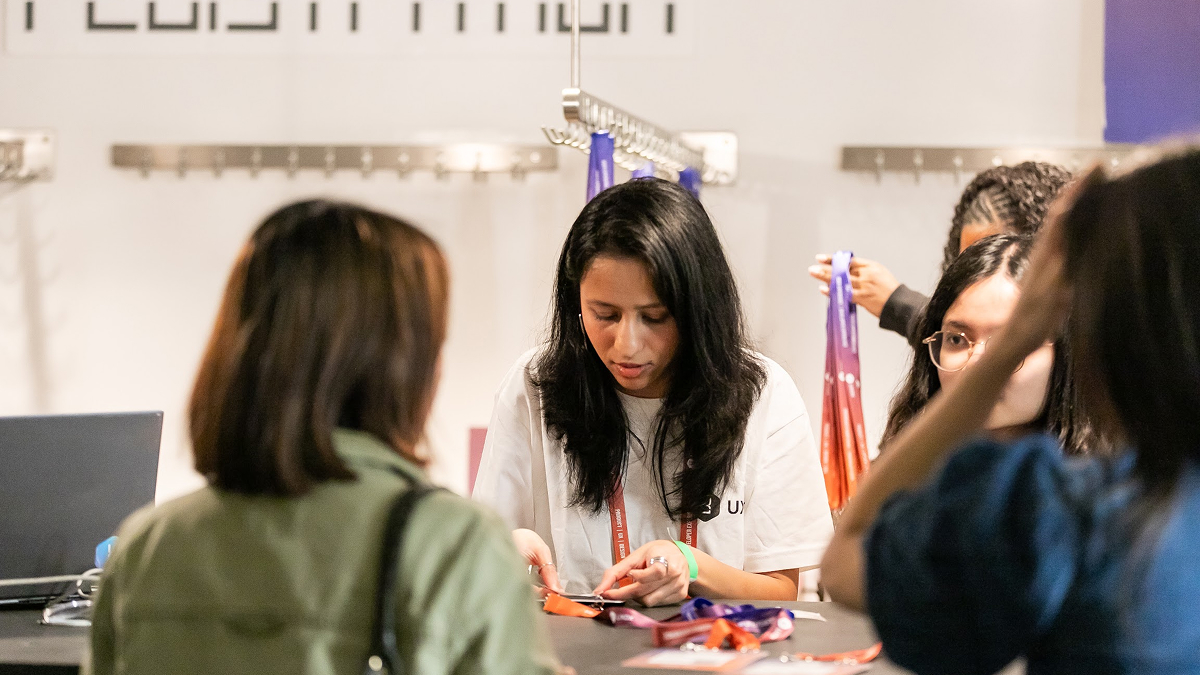
Download our post show report for UXDX USA 2024