UXDX · 10 Jun, 2020
UXDX Community:Eastern Europe
Date
10 Jun, 2020
11:20 - 14:40
Venue
Online
Format
Online
UTC
From
Register
Where product, design and engineering people meet to learn from real work.
A local meetup bridging the gap between Product, UX, Design and Dev to build better products, faster together.
Expect real case studies, candid lessons and a room of peers working through similar product-delivery challenges.
Hosted by

Morgan Davis
Director, UX Research

Marine Palamutyan
Senior Manager, UX Research
Tasha Melchior
VP Product
Agenda
Wed10 Jun
Design Systems offer an opportunity to consolidate processes, improve collaboration and speed up product delivery.
In this talk, Patrycja, guide us through the journey of how a small team from Brainly sparked a design system revolution in the world of developers and talk about struggles on the way to establishing a full blown Design System for the startup.
Wed10 Jun
Research is important but the user needs evolve and change over time. How do you ensure constant learning and understanding your users needs? In this talk, Kate will describe user research methods used within Preply. She will not only establish the importance of these research methods but also the importance of validating and using the results of these methods. She shows us the importance of sharing the results with the team and getting them engaged to ensure a better understanding of their users.
Wed10 Jun
With product teams scattered across 40+ countries globally, creating a unified product culture offers an opportunity to consolidate processes, improve collaboration and allow knowledge sharing between teams.
In this talk, Emmi will talk through her experience in building an internal platform within Delivery Hero that unites the culturally diverse teams globally.
Wed10 Jun
Flavia talks through her experience with changing a company from a project culture to a product culture.
Wed10 Jun
Working as product teams delivers better results but making the shift involves changing how teams and companies work - and change is hard.
How do we convince people that we have thought through the implications of the changes that we are proposing without getting bogged down in months of analysis, meetings and pointless whiteboard strategising.
In this talk Rory will give an introduction to the UXDX framework, which is the result of years of hands on experience helping teams to make the transition from projects to products.
Wed10 Jun
When we develop a new web application, we often put a lot of work on the design, on making it beautiful and usable. In other words, we want our web app to be effective, efficient, and satisfying for the user. But a lot of times we don’t think about the user experience for people with disabilities, including people with age-related impairments.
For the web, accessibility (a11y ) means that people with disabilities can perceive, understand, navigate, and interact with websites and tools, and that they can contribute equally without barriers.” (Source: W3C - Web Accessibility Initiative). Our role as frontend and web developers is to create clear interfaces to make people understand and care about data, independently of their disabilities or impairments, but what we, developers, often forget is to ensure that the code we write follows the Web Content Accessibility Guidelines (WCAG), and the only way to achieve that is testing, either manual or automated.
Automated web a11y tests can free up our QA team from manual testing every part of our application…but…they can’t automatically, and magically, make our site accessible.
We should use automated a11y tests as one step of a larger testing process. Don’t forget that only 20% to 50% of all accessibility issues can automatically be detected.
I will show you some testing tools, libraries and techniques to increase the a11y test coverage of your code with a simple React application example.
Design Systems offer an opportunity to consolidate processes, improve collaboration and speed up product delivery.
In this talk, Patrycja, guide us through the journey of how a small team from Brainly sparked a design system revolution in the world of developers and talk about struggles on the way to establishing a full blown Design System for the startup.
Research is important but the user needs evolve and change over time. How do you ensure constant learning and understanding your users needs? In this talk, Kate will describe user research methods used within Preply. She will not only establish the importance of these research methods but also the importance of validating and using the results of these methods. She shows us the importance of sharing the results with the team and getting them engaged to ensure a better understanding of their users.
With product teams scattered across 40+ countries globally, creating a unified product culture offers an opportunity to consolidate processes, improve collaboration and allow knowledge sharing between teams.
In this talk, Emmi will talk through her experience in building an internal platform within Delivery Hero that unites the culturally diverse teams globally.
Flavia talks through her experience with changing a company from a project culture to a product culture.
Working as product teams delivers better results but making the shift involves changing how teams and companies work - and change is hard.
How do we convince people that we have thought through the implications of the changes that we are proposing without getting bogged down in months of analysis, meetings and pointless whiteboard strategising.
In this talk Rory will give an introduction to the UXDX framework, which is the result of years of hands on experience helping teams to make the transition from projects to products.
When we develop a new web application, we often put a lot of work on the design, on making it beautiful and usable. In other words, we want our web app to be effective, efficient, and satisfying for the user. But a lot of times we don’t think about the user experience for people with disabilities, including people with age-related impairments.
For the web, accessibility (a11y ) means that people with disabilities can perceive, understand, navigate, and interact with websites and tools, and that they can contribute equally without barriers.” (Source: W3C - Web Accessibility Initiative). Our role as frontend and web developers is to create clear interfaces to make people understand and care about data, independently of their disabilities or impairments, but what we, developers, often forget is to ensure that the code we write follows the Web Content Accessibility Guidelines (WCAG), and the only way to achieve that is testing, either manual or automated.
Automated web a11y tests can free up our QA team from manual testing every part of our application…but…they can’t automatically, and magically, make our site accessible.
We should use automated a11y tests as one step of a larger testing process. Don’t forget that only 20% to 50% of all accessibility issues can automatically be detected.
I will show you some testing tools, libraries and techniques to increase the a11y test coverage of your code with a simple React application example.
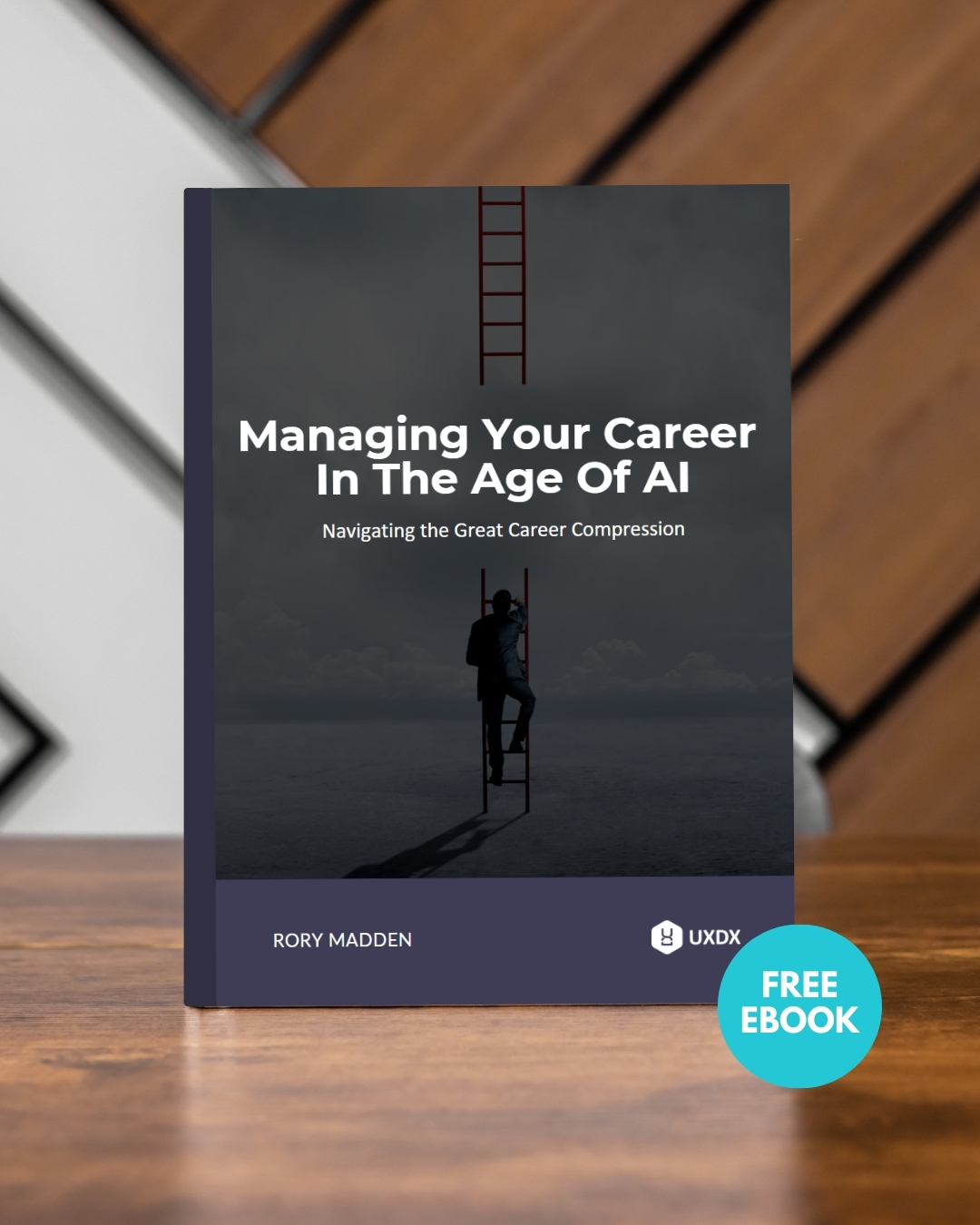
Community is one part of how UXDX helps teams build better products.
Local events help people learn from peers and build their network. The reports, ebooks and knowledge library turn those conversations into practical ideas teams can apply.