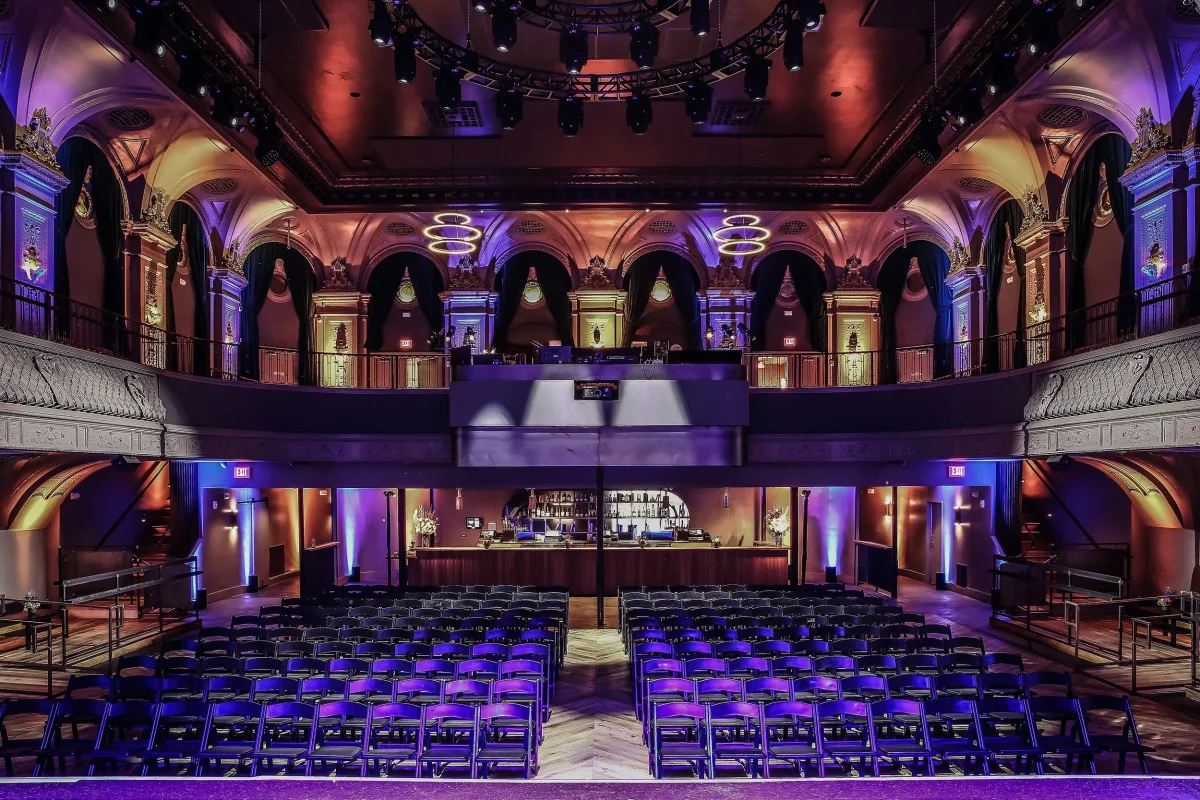
San Francisco
San Francisco (August Hall) and Online
7 sessions
20 speakers4 workshops300 attendeesProduct, UX, Design, & Dev
Most companies say they are following agile development practices but in reality most are still following waterfall processes.
We help companies uncover better ways of working and improve the odds of success.
90%
of features
fail to deliver
the expected benefits.
There are always more ideas to build than budget to build them. Management are responsible for funneling the limited company funds towards the ideas that will best deliver on the strategy.
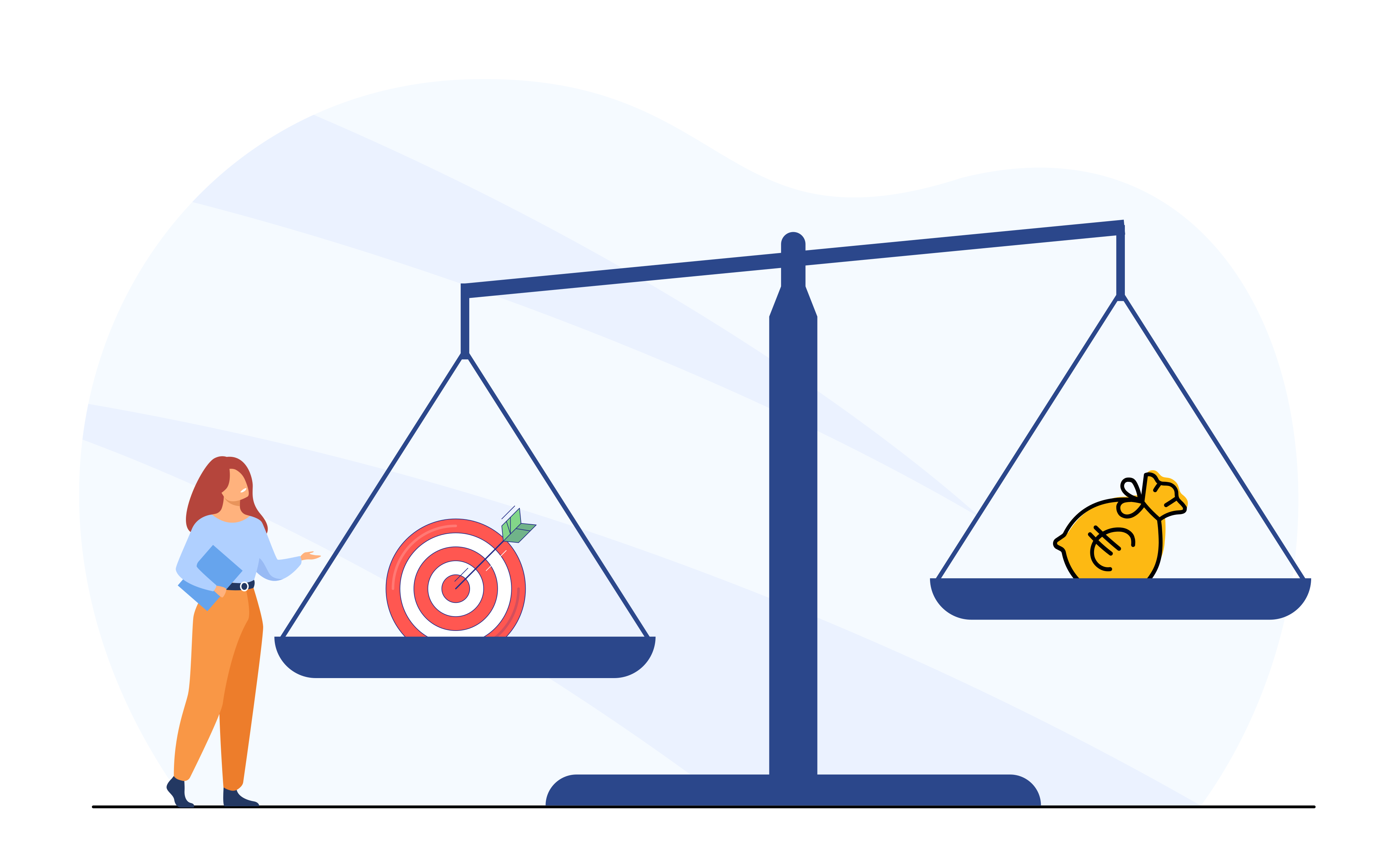
But to build a business case, you need costs. To get costs, you need estimates. To get estimates, you need a design. To get a design, you need requirements. And then to ensure that you keep within those cost estimates you need to ensure that the requirements do not change.
You're locked into your first idea which is wrong 90% of the time.
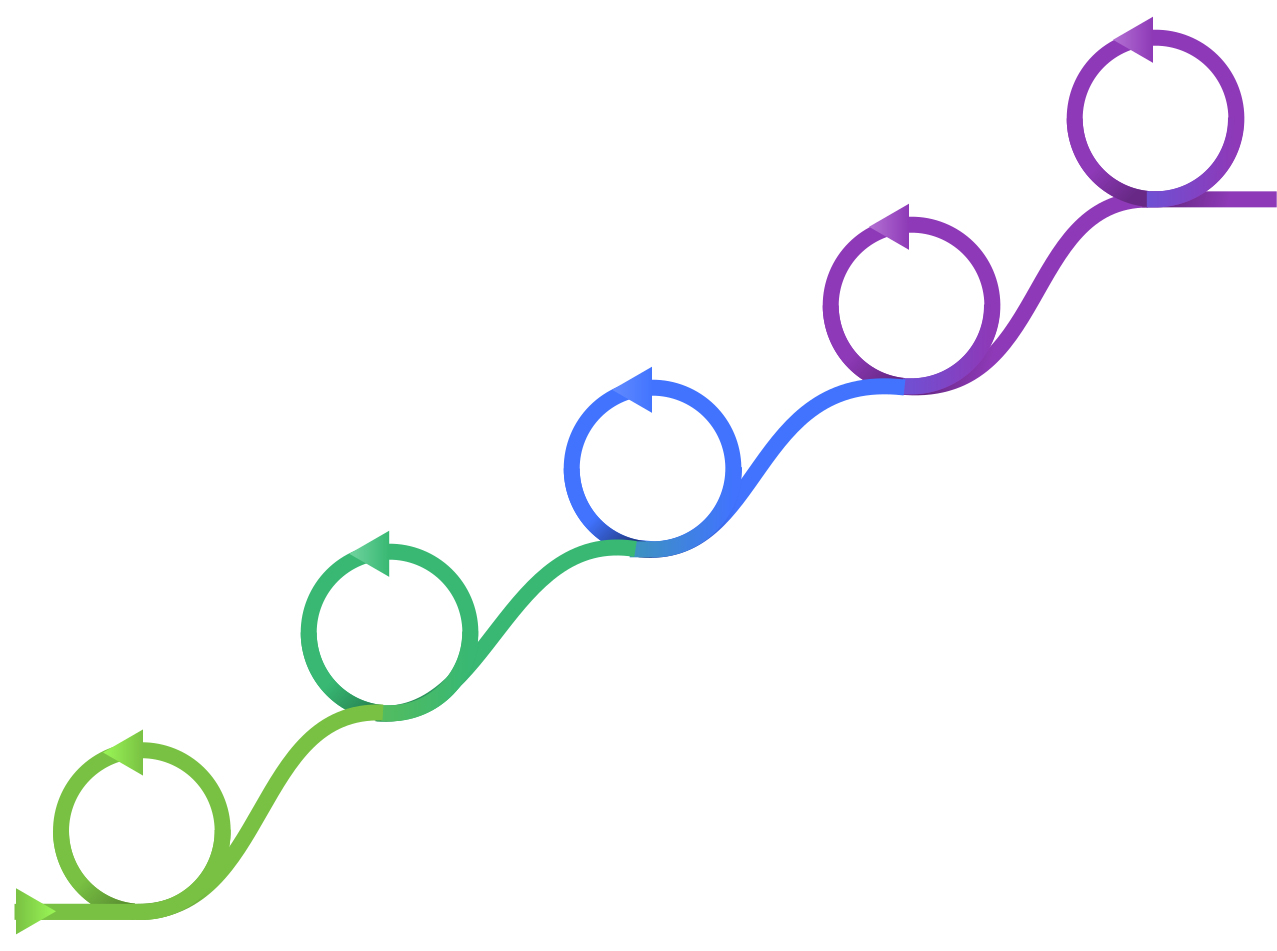
What we wanted
Iterative delivery
Empowered teams using iterative development and quick feedback loops to test and validate ideas, and pivot based on what they learn.
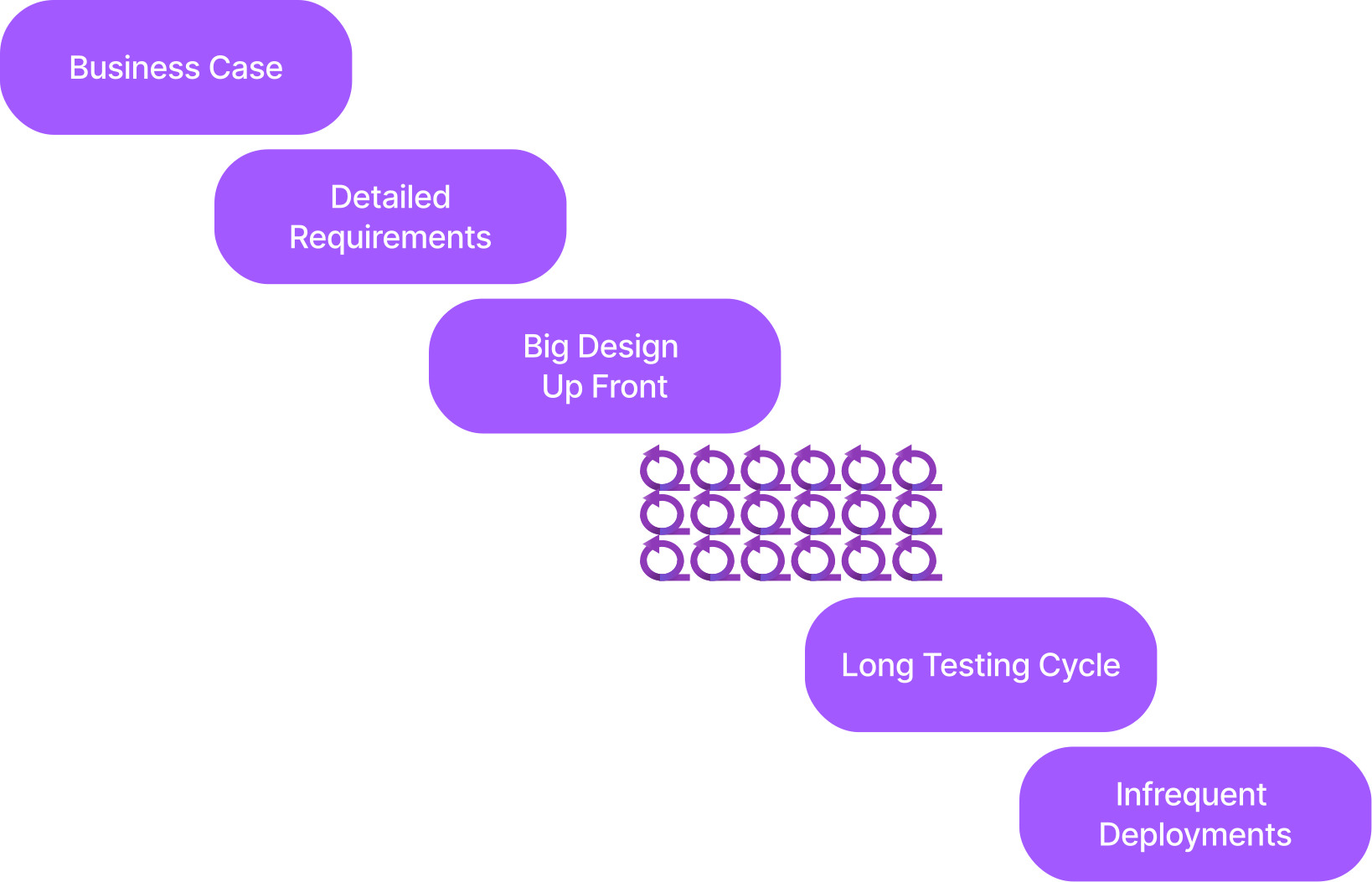
What we got
Incremental Water-Scrum-Fall
Waterfall stages up until the build phase when we break down the solution into sprints. We get the overhead of more management without the benefit of improved outcomes.
We can achieve the goals of the business case without having to lock ourselves into a solution upfront by solving the problems of prioritisation, alignment and skills by empowering teams with enabling constraints
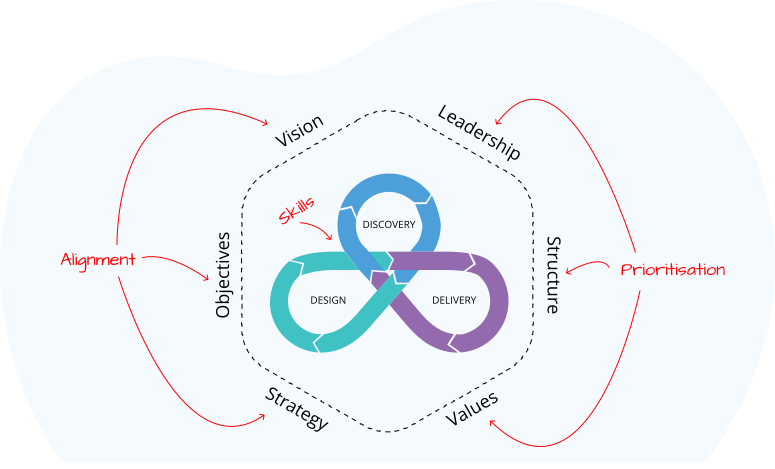
By splitting the product teams along value streams, management can control the amount of investment in each part of the product in line with the strategic goals. But funding also impacts on governance processes - and changes require coordination across the business - which isn't easy.
By creating a product vision, defining the strategy and then creating short term objectives for each Stream team management can ensure that teams have the right context and incentives to build solutions that will result in the right business outcomes.
By holding back from giving people responsibility they will never be able to prove that they can rise to the occasion. Instead, if we identify the necessary skills and then provide training and a safe environment to practice, we can ensure that teams are able to deliver on the vision and strategy.
UXDX is the only conference I know that is actually focused on an outcome for those attending.

I feel really motivated after UXDX. Picked up some great tips, met lovely people, and left with a bunch of ideas I'm excited to try out.

UXDX helps you understand the state of the industry and how your organisation compares.

I brought my whole team. It was great to find our people, get inspired by big ideas, and take home tactical tips.

We looked at every UX conference in the world, but none had speakers of the same calibre as UXDX.

This conference changed the way I see designs and products, even how to build them.

UXDX is one of the rare experience focused conferences that bring together cross-functional disciplines

The speakers shared the best and worst of their experiences, giving the audience an insight into how to grow, fail fast and get ahead
UXDX showed how companies and teams are actually using AI in grounded, practical ways.
UXDX is at the cutting edge of how product, design and engineering are blurring together.

UXDX is a truly "audience-centered" conference, allowing lots of time for valuable questions and feedback from the audience.

UXDX gave me a real sense of community and showed me we are all tackling similar problems.

UXDX delivers a strong mix of networking, quality presentations and insightful forums.
The best conference I've been to that cohesively addresses UX, PM and development.

I know that what I have been pushing within our company is right and this year getting IT leadership to attend with me got the message across to them.

Knowledge is great - but you need to be able to implement your new ideas.
We bring together Product, UX, Design and Dev because if your team is learning separately how are they expected to work together?
San Francisco (August Hall) and Online
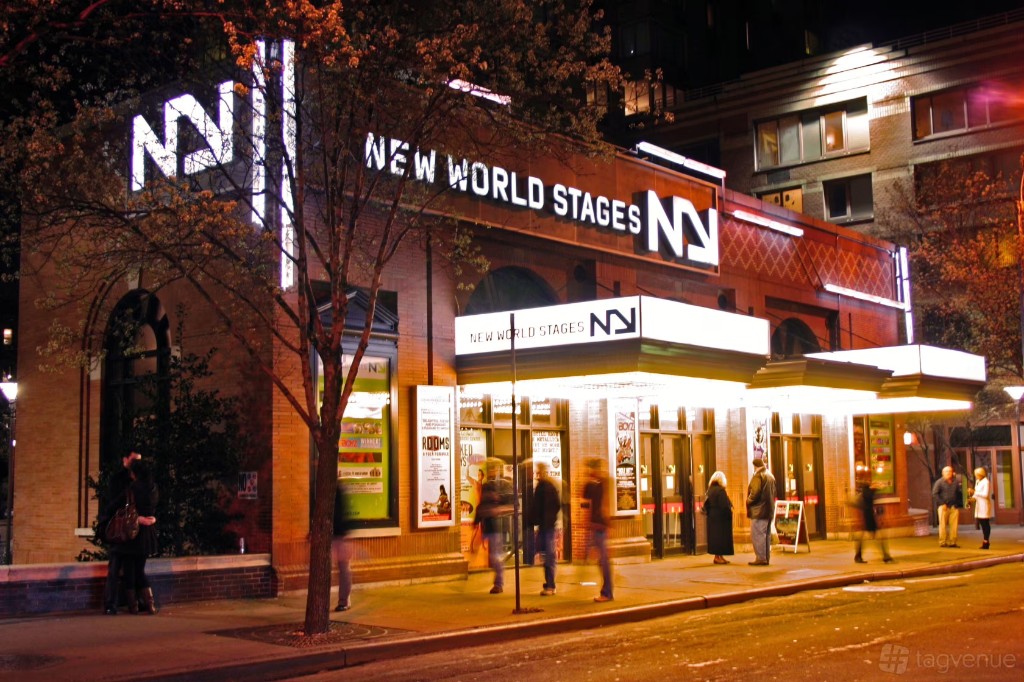
New York (New World Stages) and Online